In May 2013, Obama signed a document – the Presidential Policy
Guidance (PPG) – which established some of the strictest targeting
criteria in the war on terror. The document stipulated that, to
prevent civilian casualties, there must be “near-certainty” before
there was any airstrike outside declared war zones. The document
also indicated that sensitive decisions must be subject to
high-level centralized review by the White House, which must also
give explicit approval prior to any air operation.
In 2017, Trump introduced the “Principles, Standards, and
Procedures” (PSP) document. Though this ostensibly retained the
same language regarding protection of civilians, it transferred
significant decision-making authority to the heads of security and
military agencies and cut down on review by the White House. It
adopted the principle of “reasonable certainty” in place of “near
certainty”, lowering the threshold when it came to targeting adult
civilians. In other words, civilian protection carried less weight
in targeting decisions.
Dr Amer al-Sabaileh sees this shift as a logical consequence of
the “war on terror”, since the need to respond quickly meant that
greater latitude was given to field commanders to make decisions
independently of the central authority. “We’ve seen the result of
this speed up in Syria, Iraq and elsewhere,” says al-Sabaileh.
Wes Bryant, the former official at the Pentagon’s Centre for the
Protection of Civilians, went further in his statement to us. He
describes the approach taken during Trump’s second term as “a
clear downgrading of any genuine commitment to international law
and regulations.” He points to “a tangible increase in tolerance
of collateral damage, and an unrestrained appetite for killing
that goes all the way down from the president and secretary of
defence through the chain of command”.
Annie Schiel, Director of the US Office at the Center for the
Protection of Civilians in Conflict (CIVIC), comments: “Air
strikes have been particularly deadly for civilians in cities and
other populated areas, where explosive ordinance not only kills
and injures, but also damages infrastructure on which civilians
depend for their survival.”
Rules of engagement are not just words on paper, but have real
consequences on the ground. Our report data show that every time
the rules are changed, this is reflected in the pattern of US air
strikes; whether it is the proportion of civilian casualties per
strike, or the ratio of fatalities to injuries, these indicators
change markedly with every shift in the targeting rules.
The human rights organization Mwatana said, in statements to ARIJ,
that the Obama administration made drone strikes the principal
tool in its counter-terrorism operations, and this was reflected
in the nature and number of air strikes carried out in Yemen,
compared to previous years.
This approach accelerated during Donald Trump’s first term,
according to Mwatana, after his administration scaled back legal
restrictions on the US military and reclassified a number of areas
as “active hostile zones”, as part of his reported strategy to
dismantle Obama’s restrictions on drone warfare.
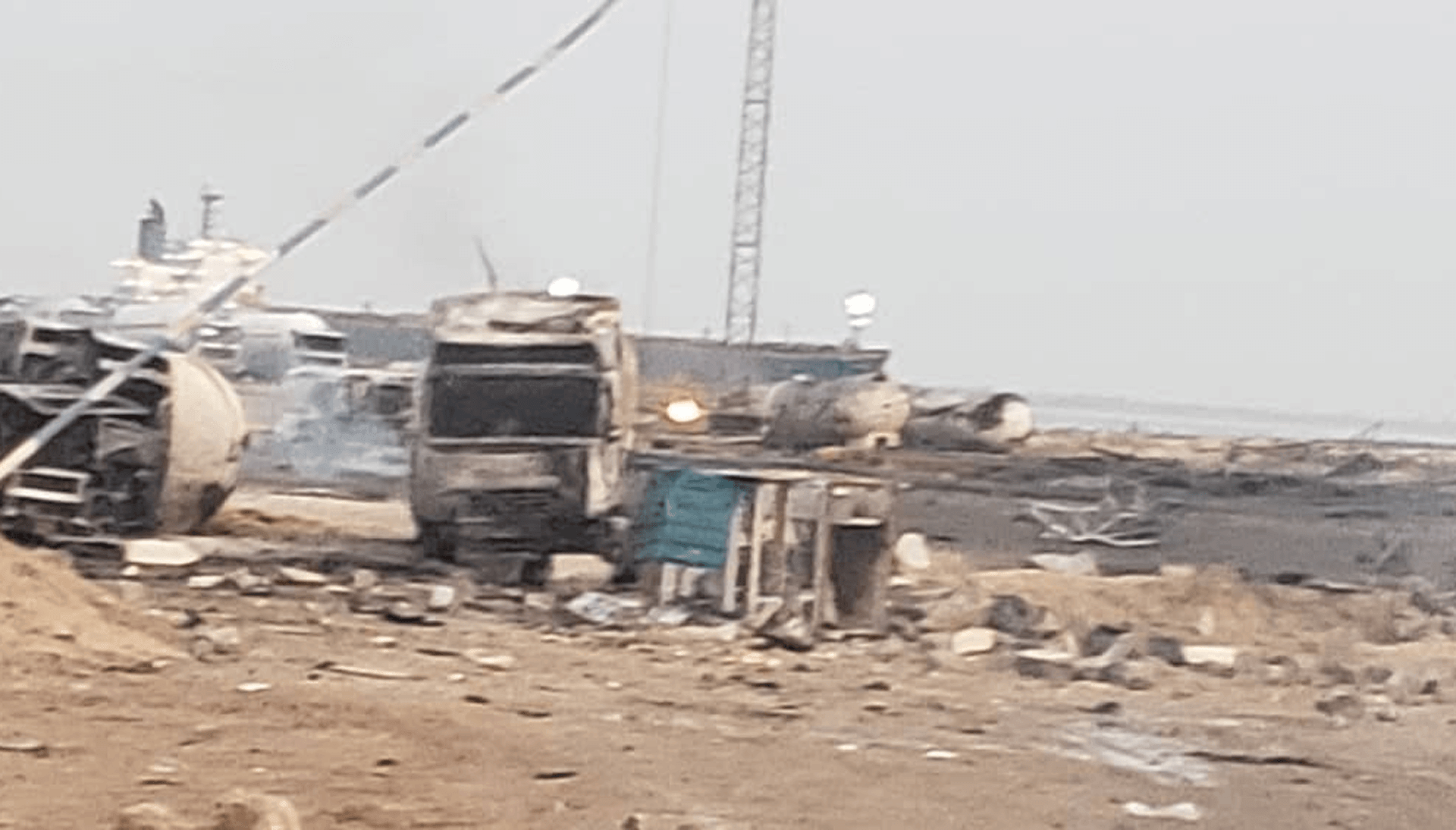
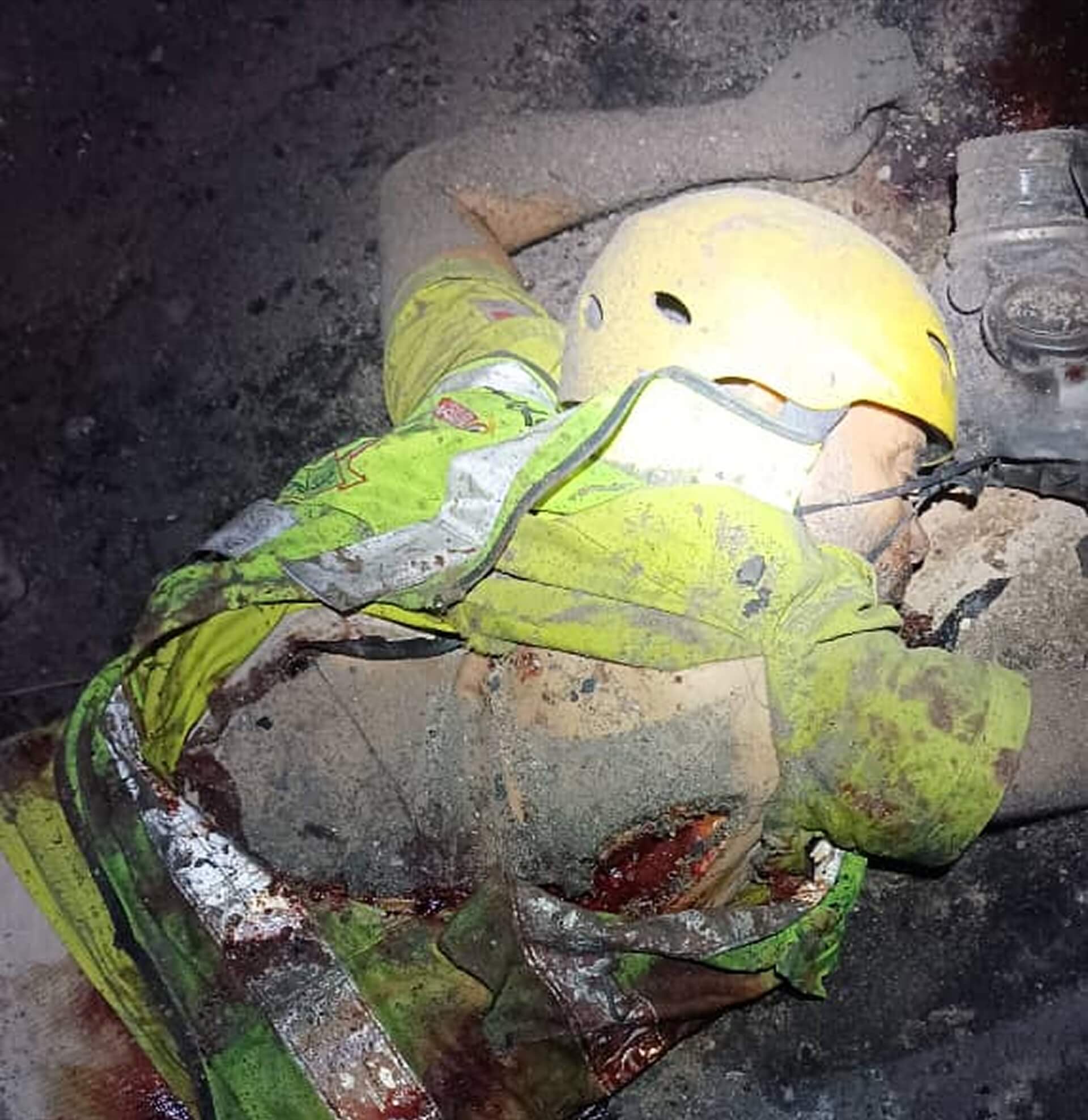
Mwatana believes that these changes have led not only to an
increase in the number of attacks, but were accompanied by a rise
in civilian casualties and damage to property and infrastructure.