‘Frontline’ Journalists in Iraq: Injuries, Precarious Contracts and Compensation Pending For Years

User Icon
Asaad Zalzali
Clock Icon
28 September 2026

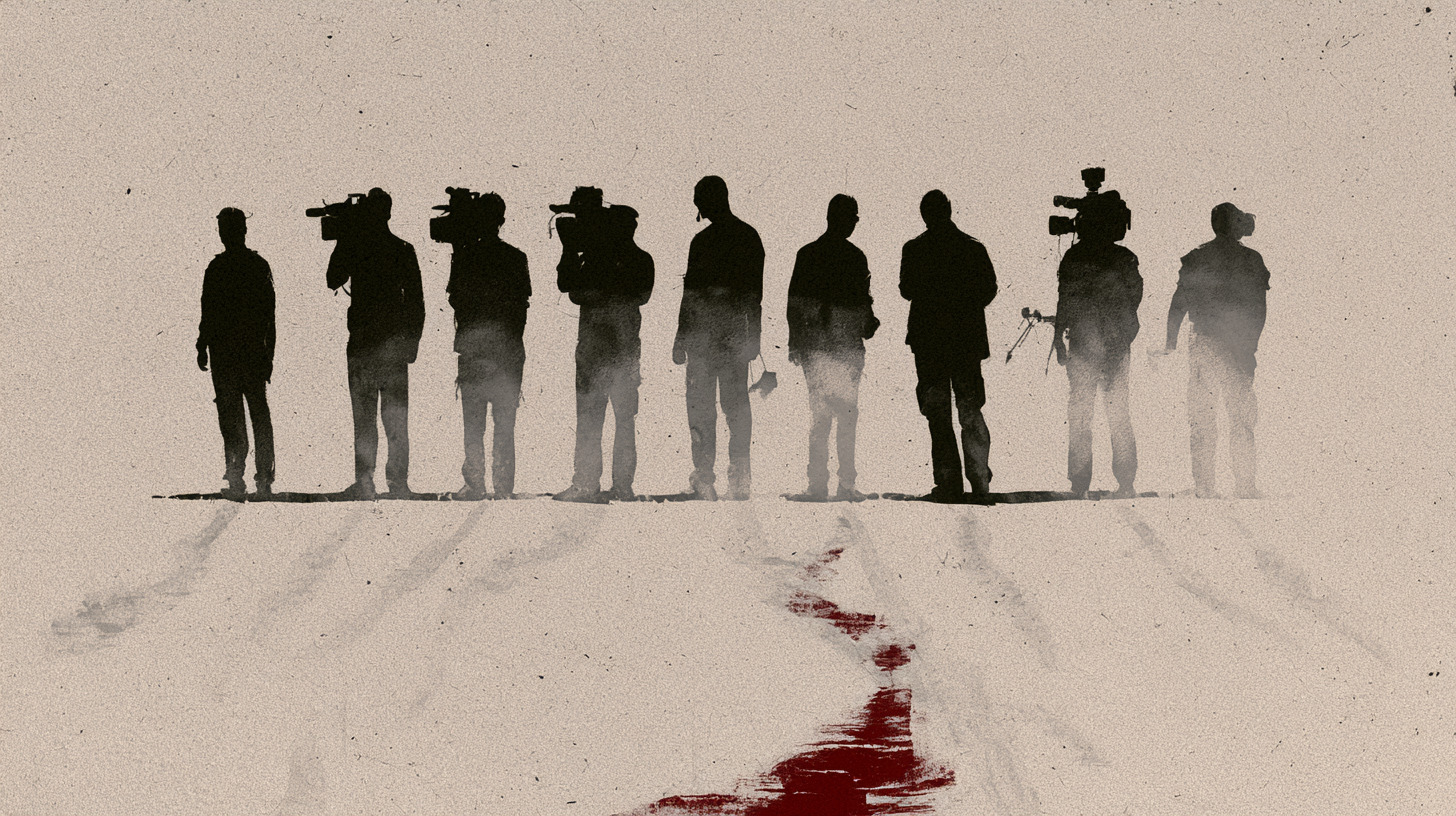
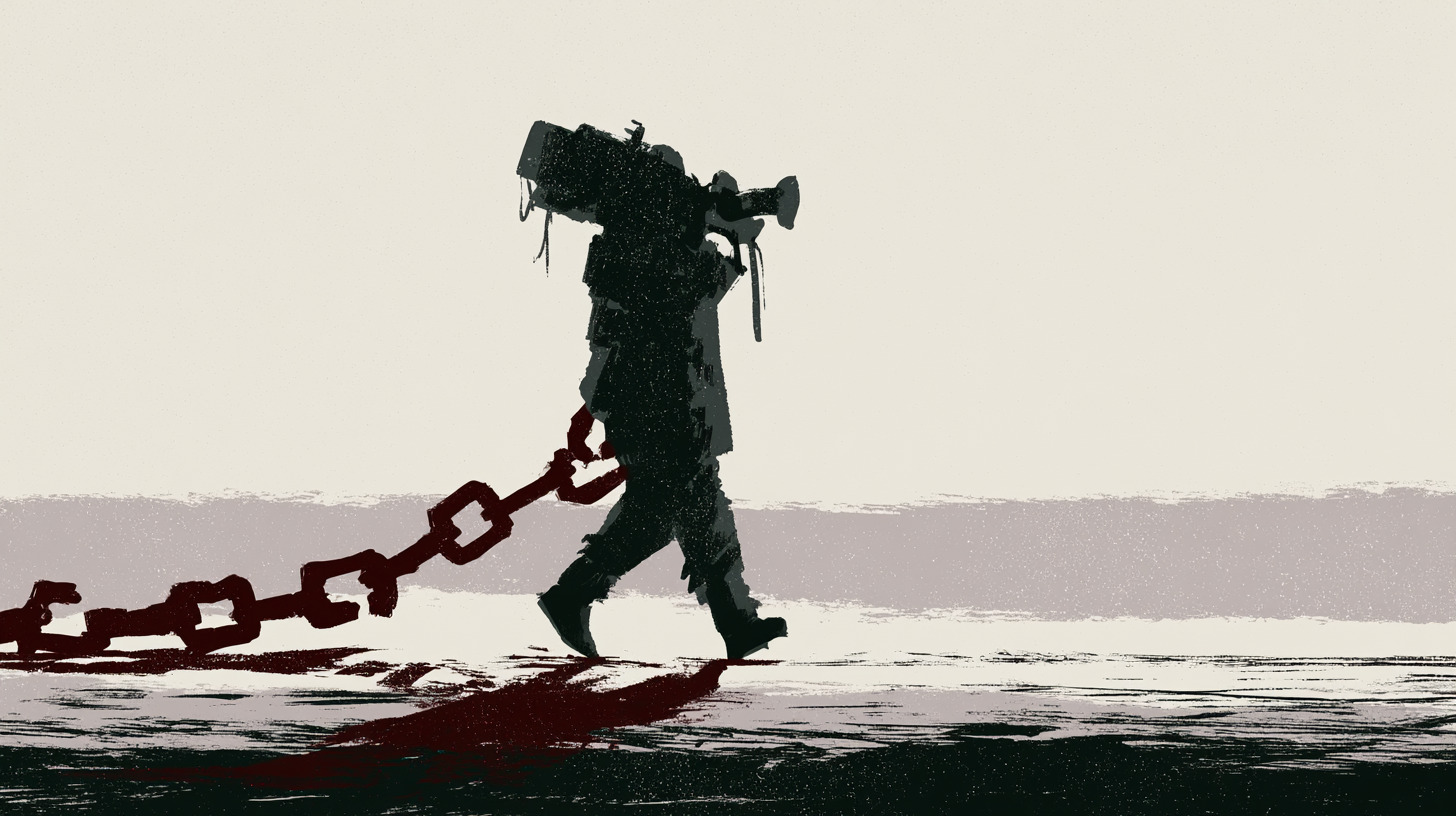
The image was generated using AI

0 journalists killed during battles to recapture towns from ISIS
0 journalists injured, 30 of whom suffered life-threatening injuries
0 years have passed since the incidents, and the injured and the families of victims are still seeking compensation

This investigation examines the plight of Iraqi journalists injured while covering battles against ISIS. It finds that gaps in employment contracts, insurance and compensation systems, along with weak oversight, left some without compensation or medical treatment. This occurred despite the injured and the families of those killed remaining committed to fighting for their rights years after the end of hostilities.

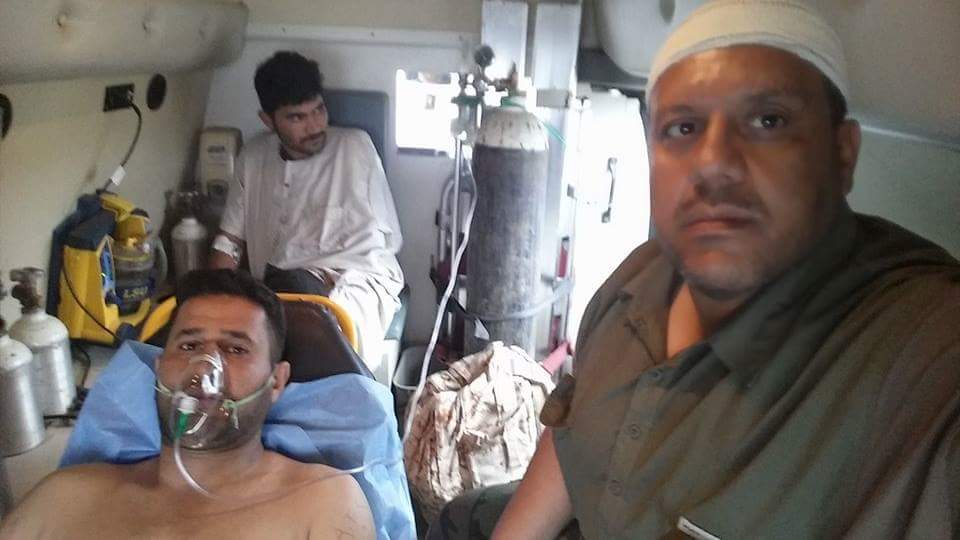
In 2017, a camera from the Hona Salahaddin TV captured the final moments of its correspondent, Harb Hazza, who was trapped with his media team while covering clashes between ISIS and Iraqi security forces in the village of Imam Gharbi, south of Mosul.

In the footage, Harb can be seen reciting the “two testimonies” before he died and his colleague Soudad Fares died, while others in the team were injured.

Footage from a documentary broadcast by the ‘Hona Salahaddin’ channel, shows the first moments following the injury of journalist Harb Hazza

In a documentary it broadcast afterwards, the channel confirmed that Harb had been carrying out an assignment to cover the fighting.

Nine years on, his family say they still have not received any compensation from the channel, or from the state, despite having claimed it following his death.

His wife explains that the state granted him a pension as he was a civil servant, in addition working as a journalist. However, they did not recognize him as a victim of terrorism despite the documents and testimonies submitted by the family. Such recognition would have entitled the family to compensation as he was killed while carrying out his assignment.

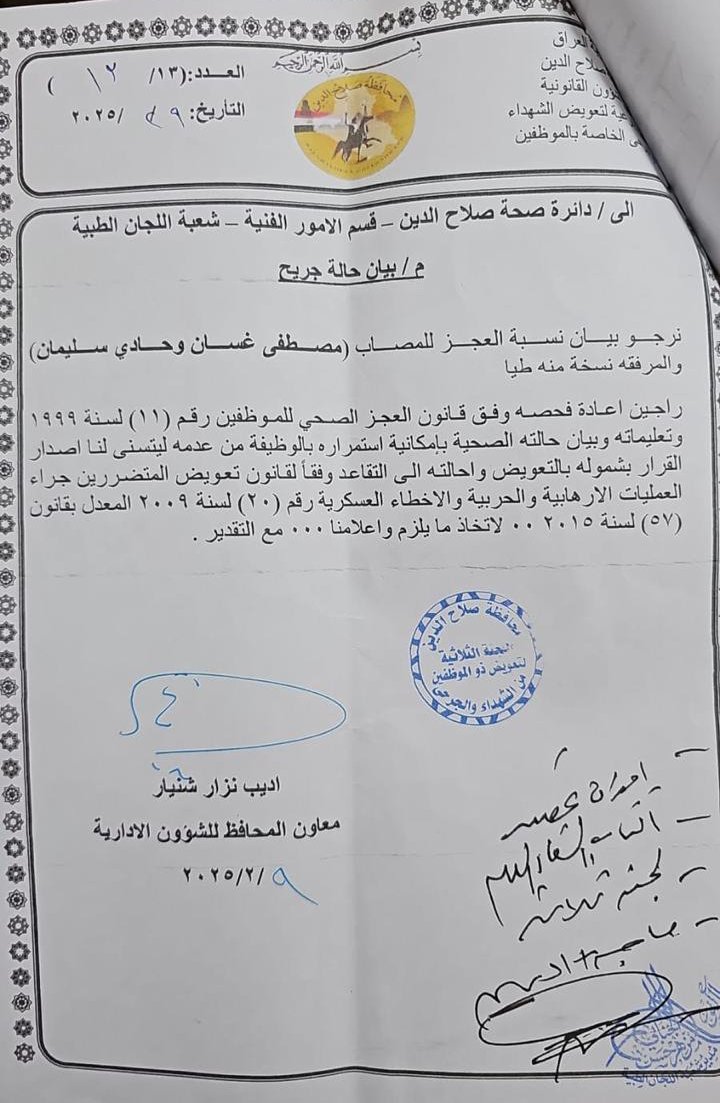
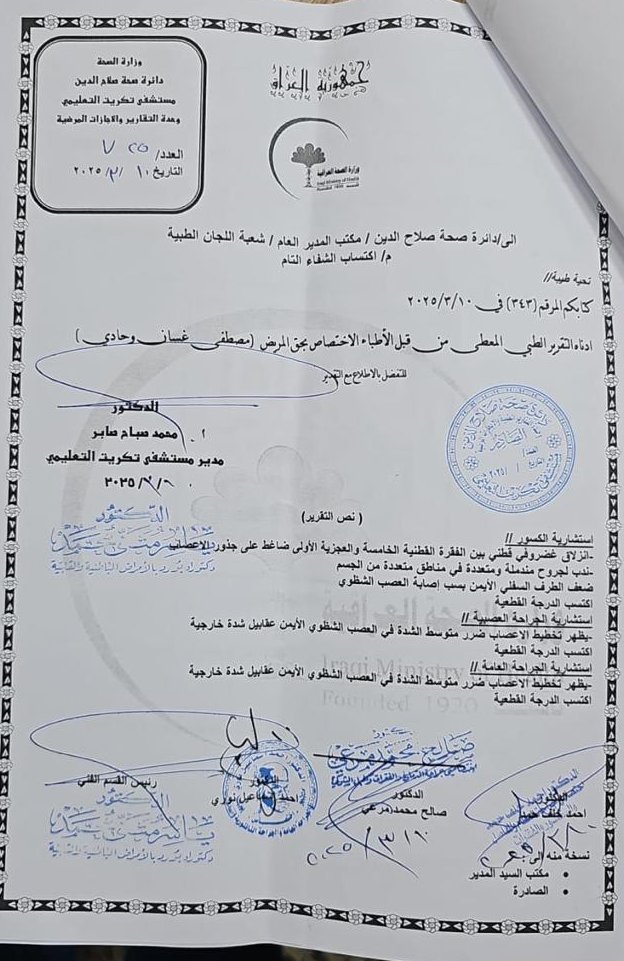
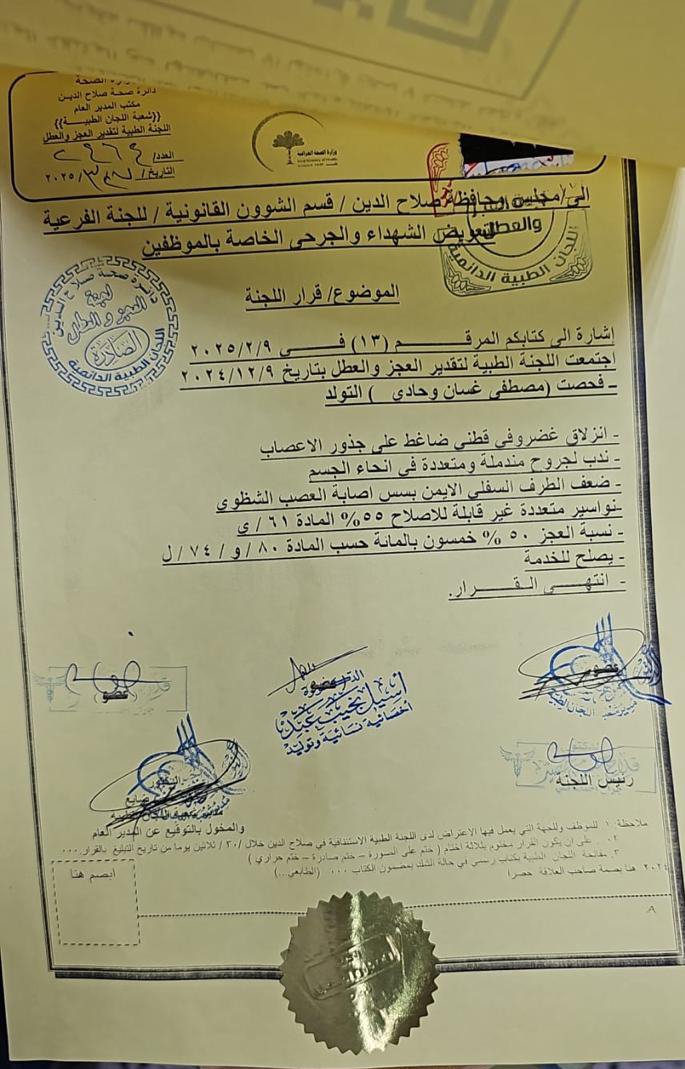
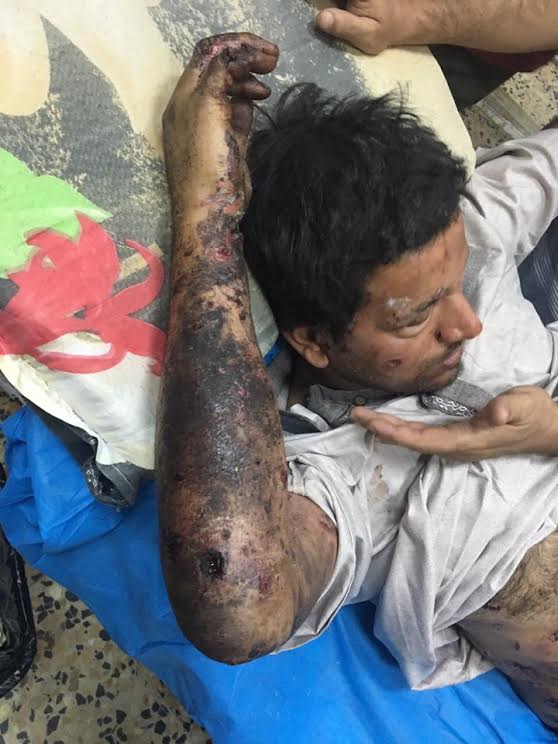
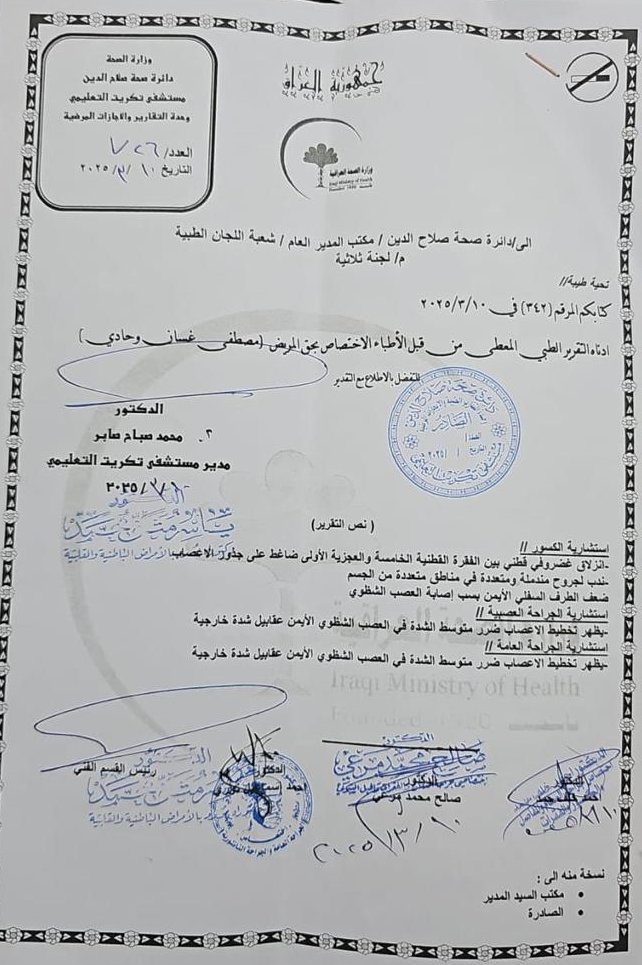
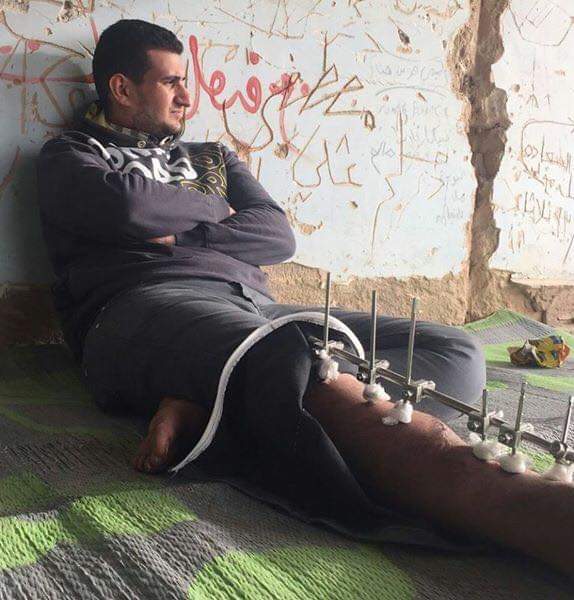
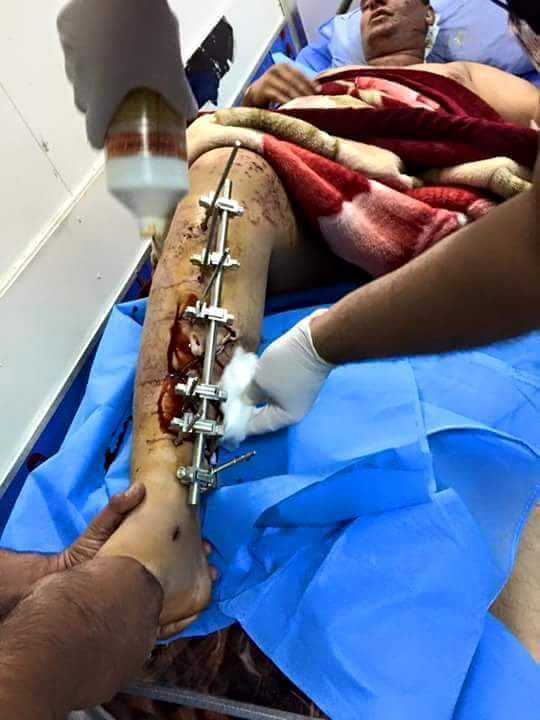
The same team included Mustafa al-Wahadi, a correspondent for the “Samarra” satellite channel, who was wounded by shrapnel in his leg and other parts of his body. His medical reports confirm that he is 50 per cent disabled.

He claims that the channel failed to provide him with any support during the initial months of his injury or cover the costs of his treatment. It then stopped his salary, claiming that he was a ‘freelance correspondent’ and was no longer able to work. After making a partial recovery, he returned to the channel, only for it to terminate his employment a few months later, on the grounds of cutbacks. The channel later closed down, making its staff redundant.

Nine years after his injury, Mustafa is still appealing to government bodies for compensation that he has yet to receive, navigating procedures he describes as lengthy and complex.
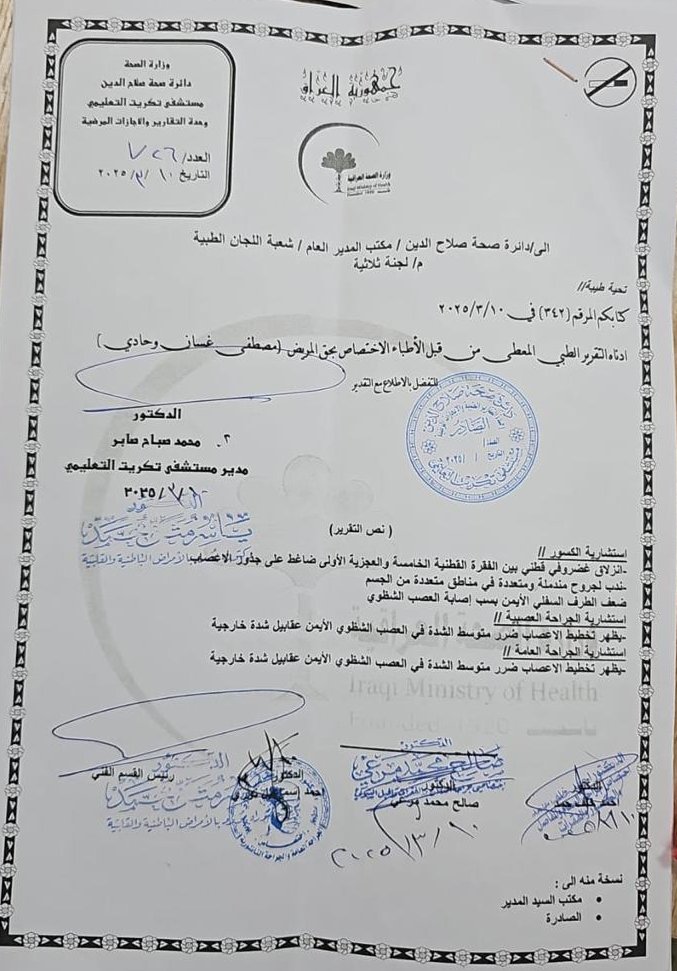
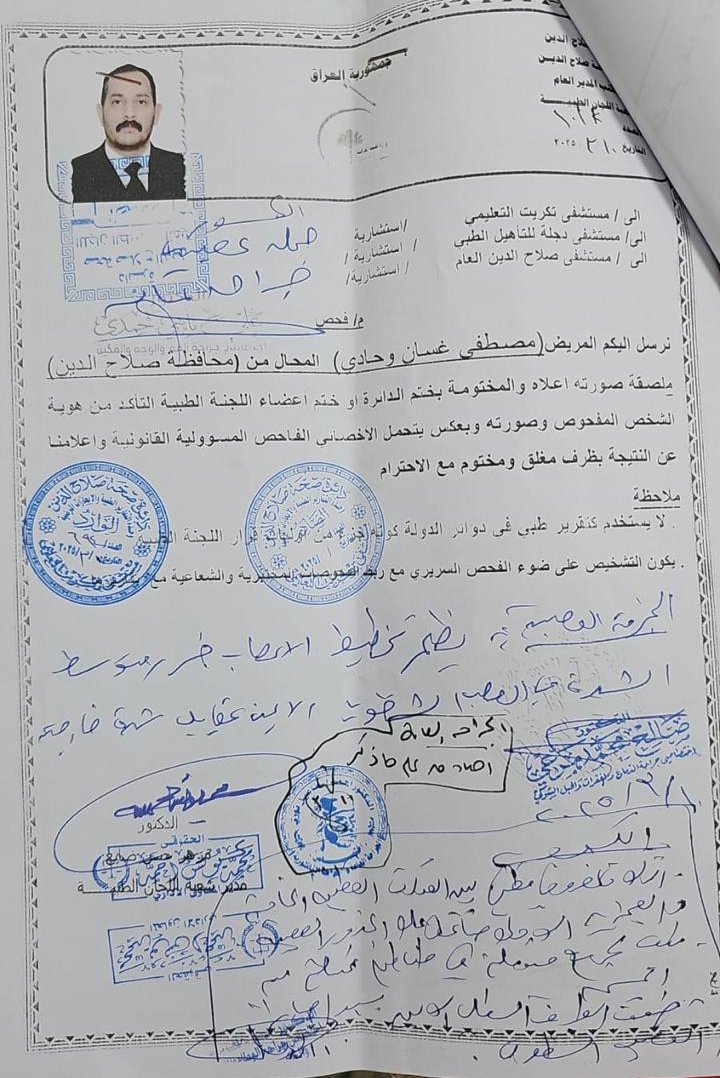
Haeb and Mustafa’s cases reflect a broader problem that emerged during the war against ISIS.

Between 2014 and 2017, as military operations escalated to recapture Iraqi cities, dozens of journalists and photojournalists worked in combat zones and on the front lines. The investigation examined cases showing that many of them worked in an extremely dangerous environment without proper employment contracts or clear guarantees of medical treatment, insurance or compensation in case of injury.

According to a report by the ‘Press Freedom Advocacy Association in Iraq’ documenting casualties during the battles to recapture cities from ISIS, 40 journalists were killed and 76 others were wounded, including 30 with life-threatening injuries.

2014 — 2017

Press casualties during the battles to recapture cities from ‘ISIS’

Source: Association for the Defence of Press Freedom

The investigation found that the failures extended beyond employment arrangements to what happened after journalists were injured.Journalists worked without formal contracts, while some contractual documents lacked clear safeguards for work-related injuries and insurance. Furthermore, treatment was halted prematurely, and rights enshrined in law were hindered by lengthy review processes, at a time when the Ministry of Labor shut down the inspection committees responsible for overseeing the implementation of labor and social security laws.

Meanwhile, the Iraqi Journalists’ Syndicate received billions of dinars in government funding for medical treatment and aid. However, injured journalists and the families of journalists who were killed or died from their injuries stated that they were unaware of such a grant, and that the syndicate had not contacted them to inform them of how to benefit from it.

An Injury Ends His Work Behind The Camera

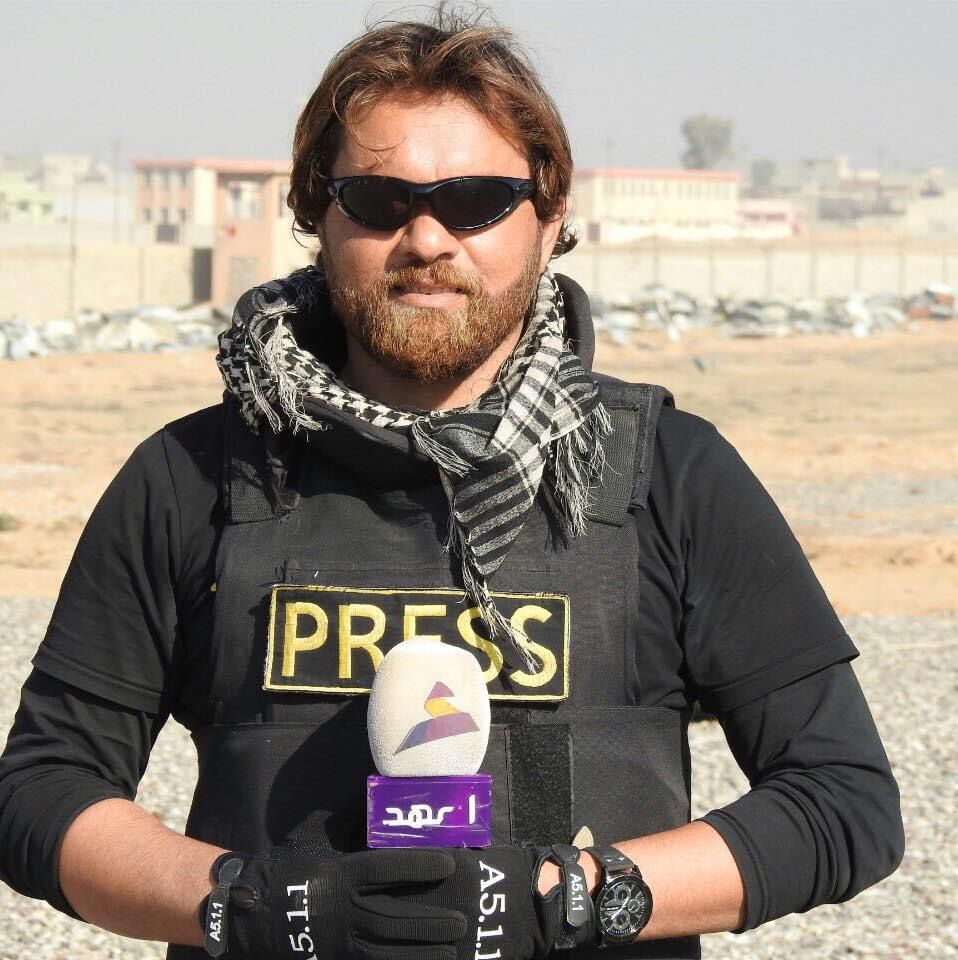
In 2015, at the height of the fighting to recapture the “Albuajil” area in Salah al-Din Governorate, a vehicle carrying a press crew from the “Biladi” satellite channel unknowingly crossed the front line and found itself in the line of fire from ISIS. The cameraman, Ammar Ja’far, was inside the vehicle. He describes what happened, saying that the team found themselves in “enemy territory, with no means to defend ourselves other than our journalistic equipment”.

The reporter was hit first, and then a bullet struck Ammar’s hand, leaving him partially paralyzed and unable to hold the camera as he had before. He later sustained further injuries to the head while covering the fighting in Mosul.
The management of “Biladi”, which was then owned by former Iraqi Prime Minister Ibrahim al-Jaafari, funded one surgery for Ammar in Iran. However, he says that his reconstructive treatment was not completed, and that he was asked to return to work.

In 2021, the channel closed down permanently, leaving Ammar unemployed and without financial compensation, end-of-service benefits, or even health insurance to cover the after-effects of his injury. He said he was subsequently forced to accept a temporary contract as a security guard, earning no more than $200 a month.
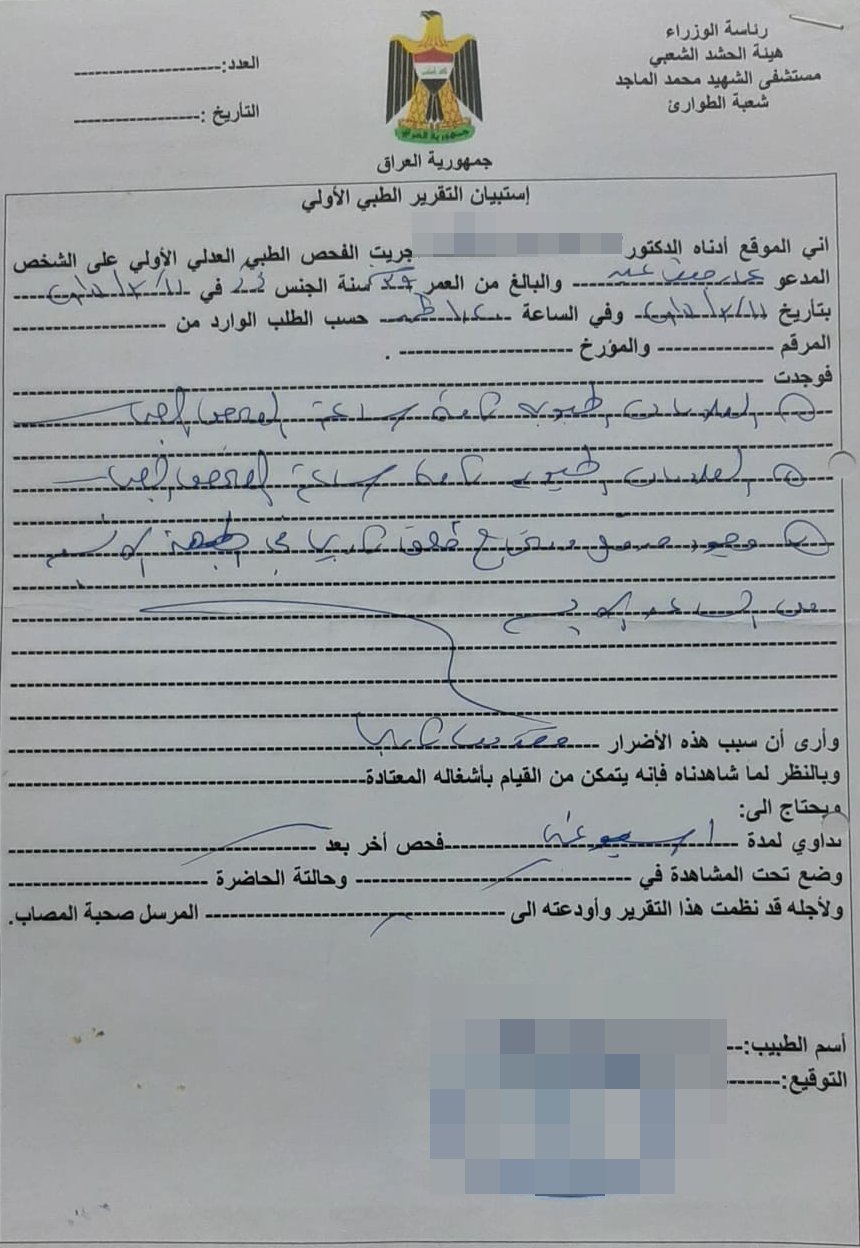
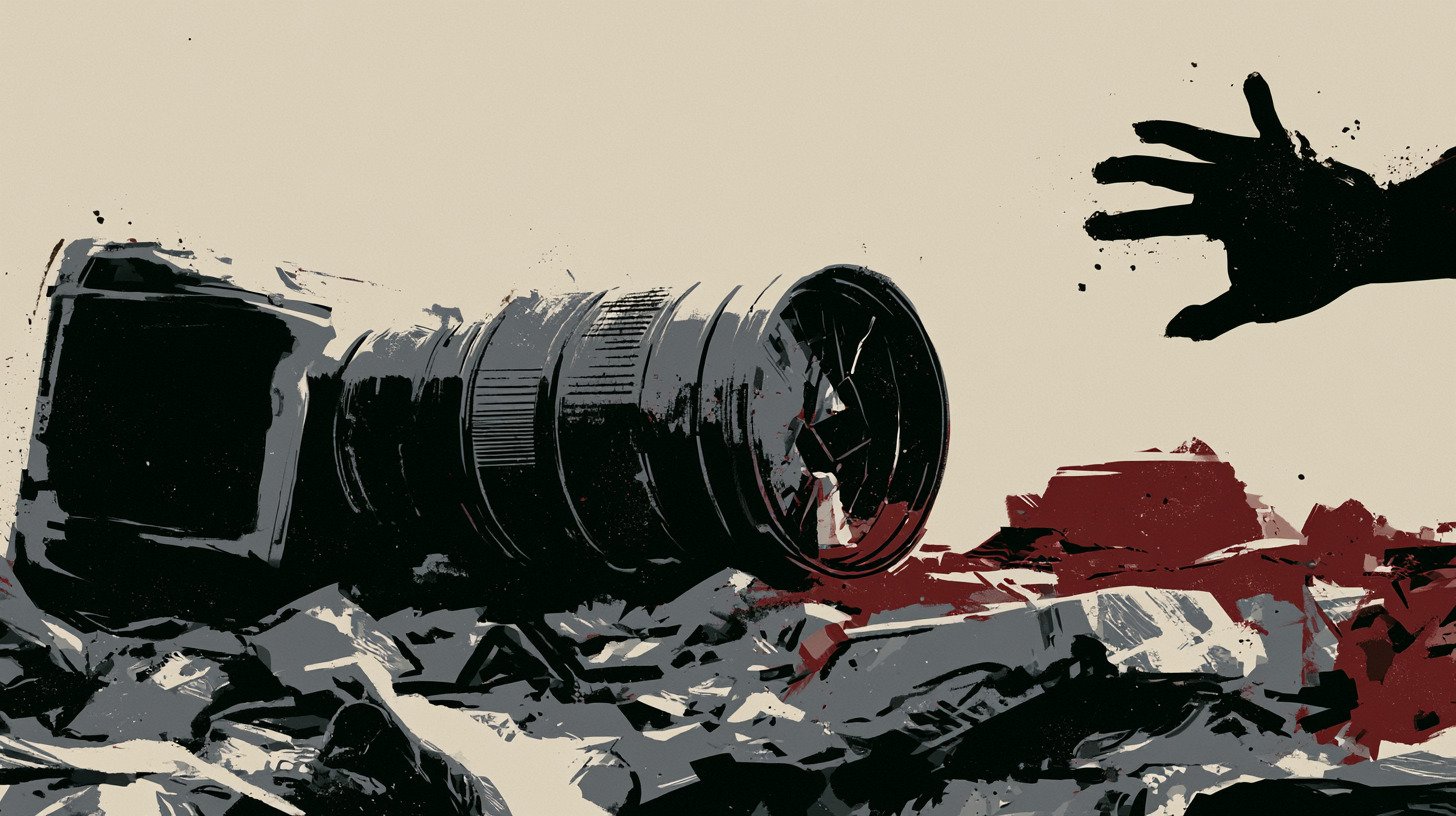
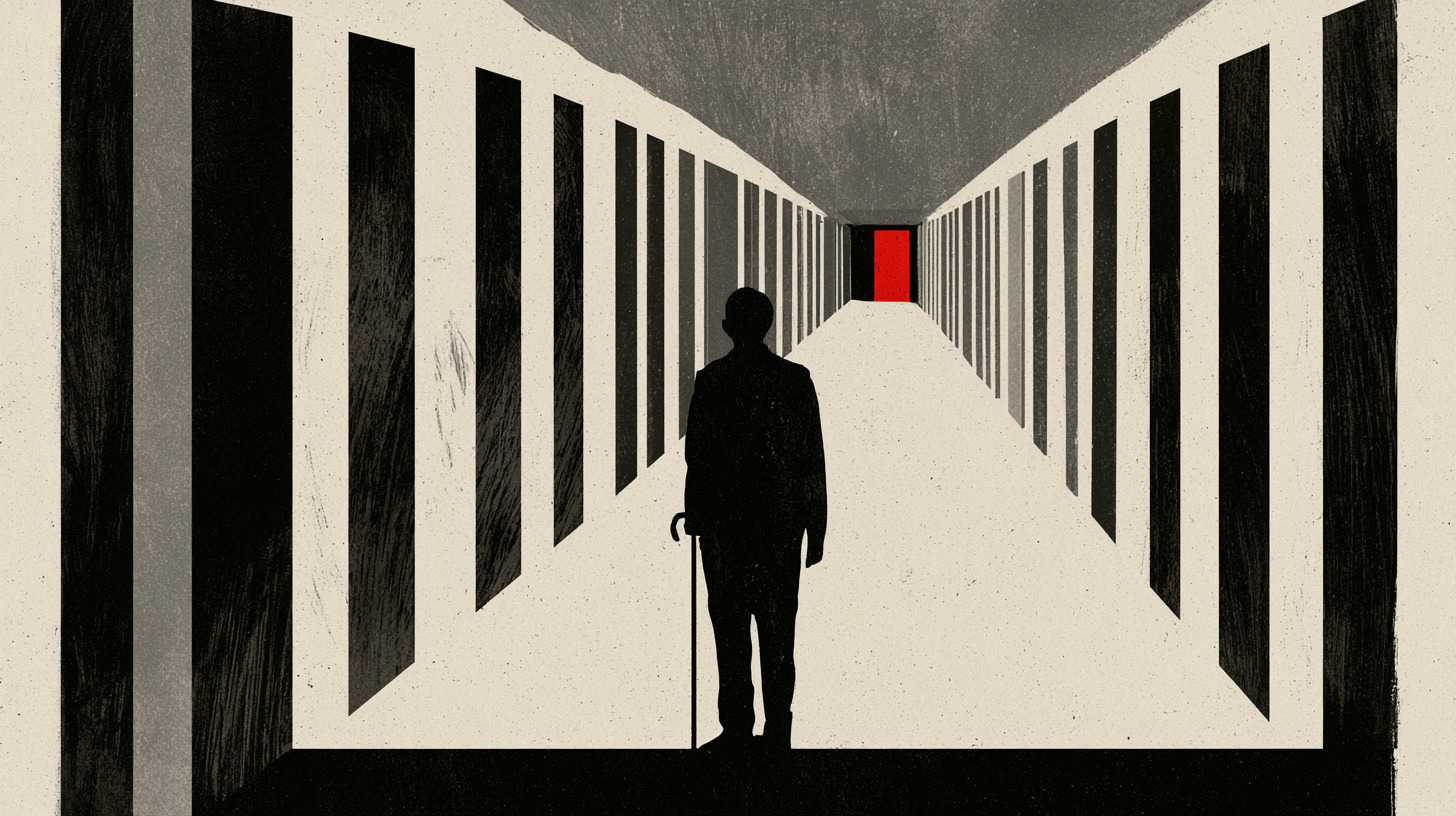
Image: The Camera Before the Journalist

The image was generated using AI

The Camera Before the Journalist

War correspondent “Ali Jawad” reported on military operations against ISIS from 2013 onwards. During this time, he was wounded twice, the most serious incident of which occurred in 2016 when his team was targeted by a heat-seeking missile. The cameraman accompanying him was killed, and Jawad suffered shrapnel wounds and a ruptured eardrum.

According to his testimony, he received treatment on two occasions at Al-Kafeel Hospital in Karbala, rather than through the media organization he was working for. He uses an incident he experienced with a correspondent injured in an IED explosion in Tikrit to illustrate the way some organizations treat field journalists.

The wounded journalist was lying on an ambulance stretcher, bleeding, when he received a call from a TV channel official. The man wanted to know what had happened to the camera and whether it had been damaged, without first asking about the journalist’s condition.

Ali believes that his colleagues’ experiences reveal a reality in which injured journalists are left to bear the costs of their own treatment. Meanwhile, government and syndicate forms of tribute have been limited to medals or modest sums, which he believes are wholly inadequate given the nature of the injuries and their long-term effects.

خلل واضح في مسار التعاقد

The image was generated using AI

Seven Journalists… Seven Stories of Life After Injury

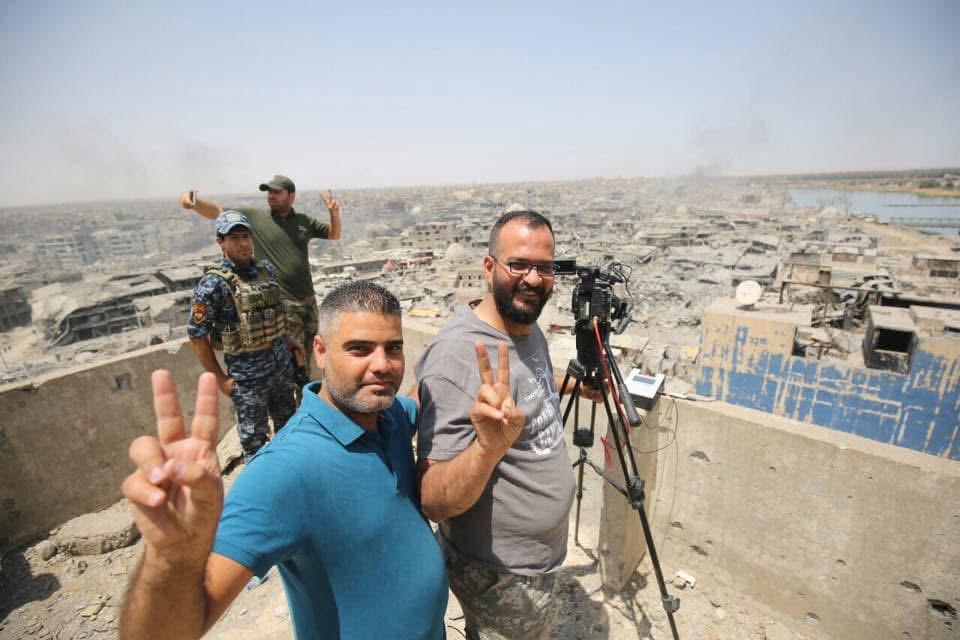
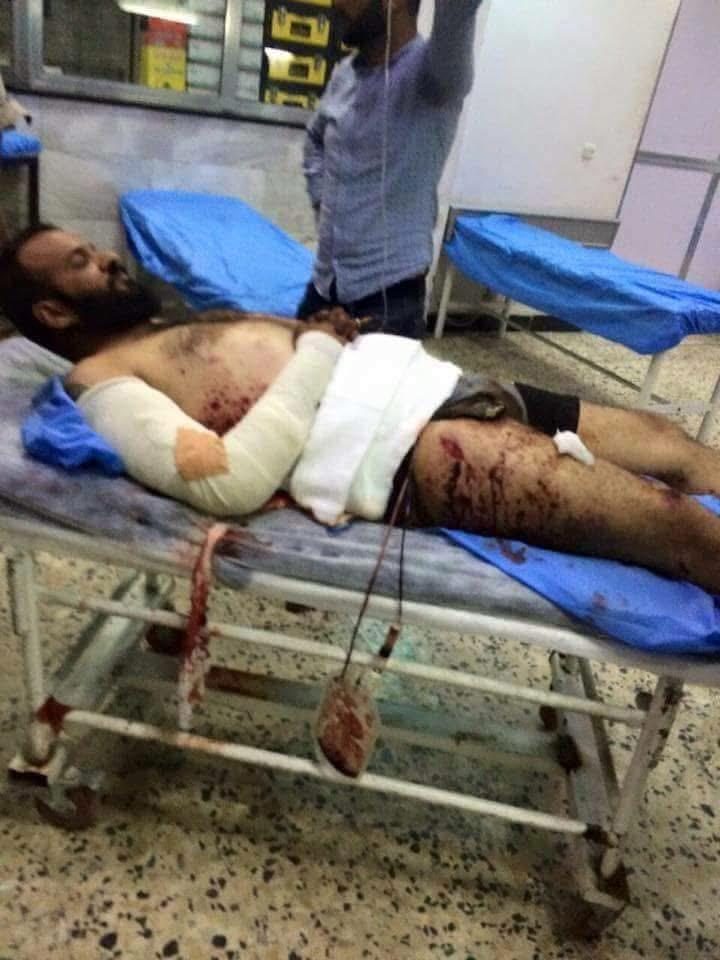
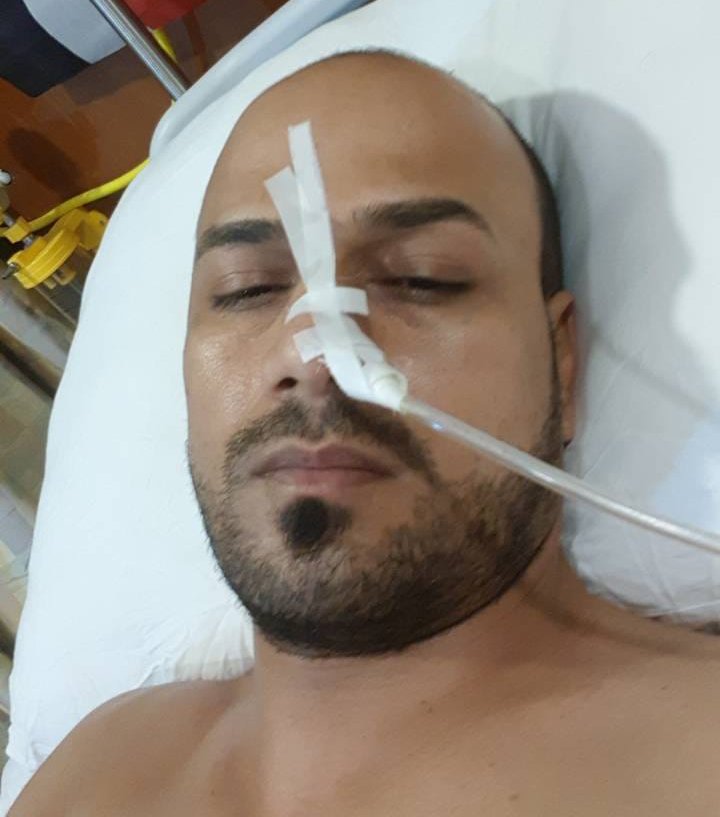
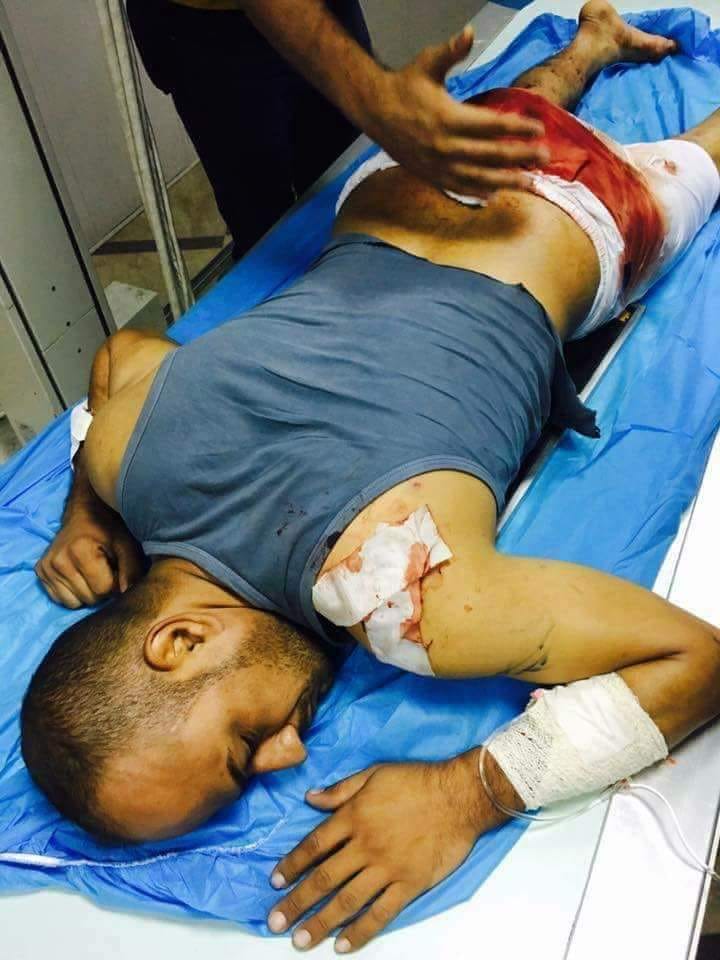
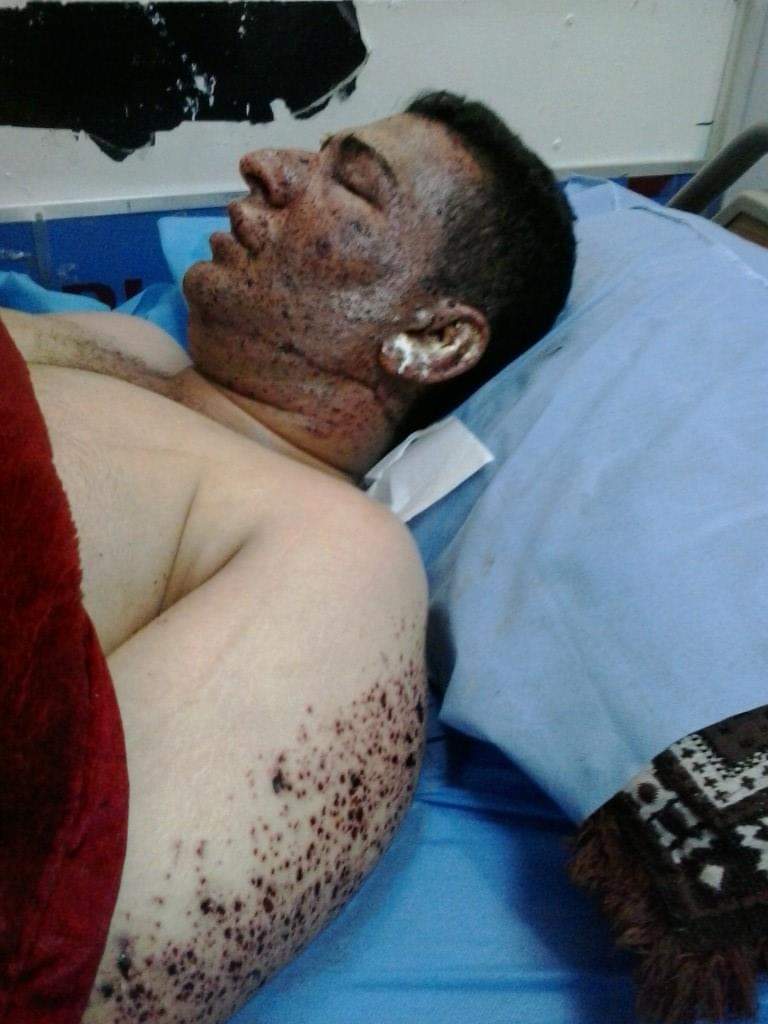
The flaws identified by the investigation are evident not only in the texts and contracts. The investigative reporter documented the cases of seven other journalists who were injured while covering the fighting. Their subsequent experiences ranged from suspended treatment and permanent disability to termination of employment, and years of appeals in pursuit of compensation.

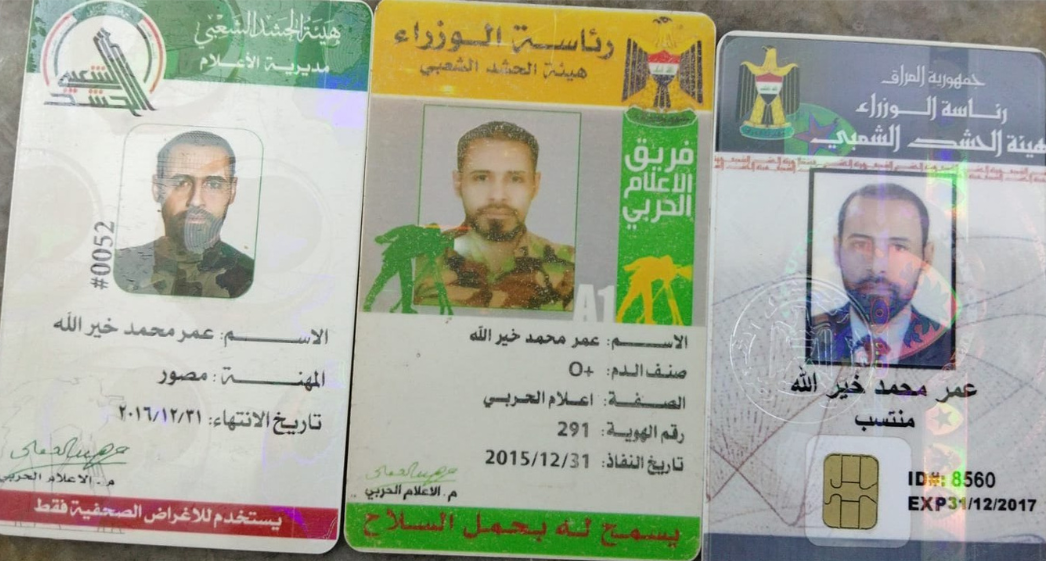
Omar Mohammed 01

Omar Mohammed

Wounded on the Front Line… Years of Suffering Before His Death

Read more
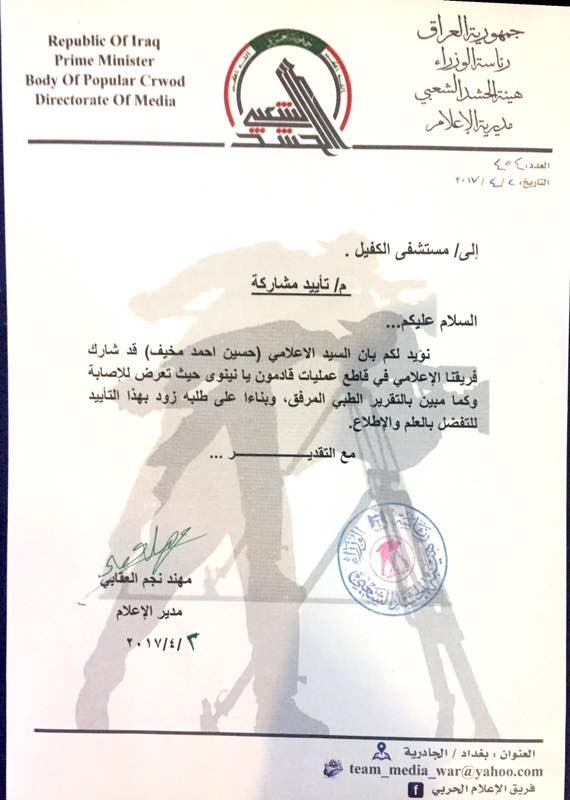
Hussein Ahmed 02

Hussein Ahmed

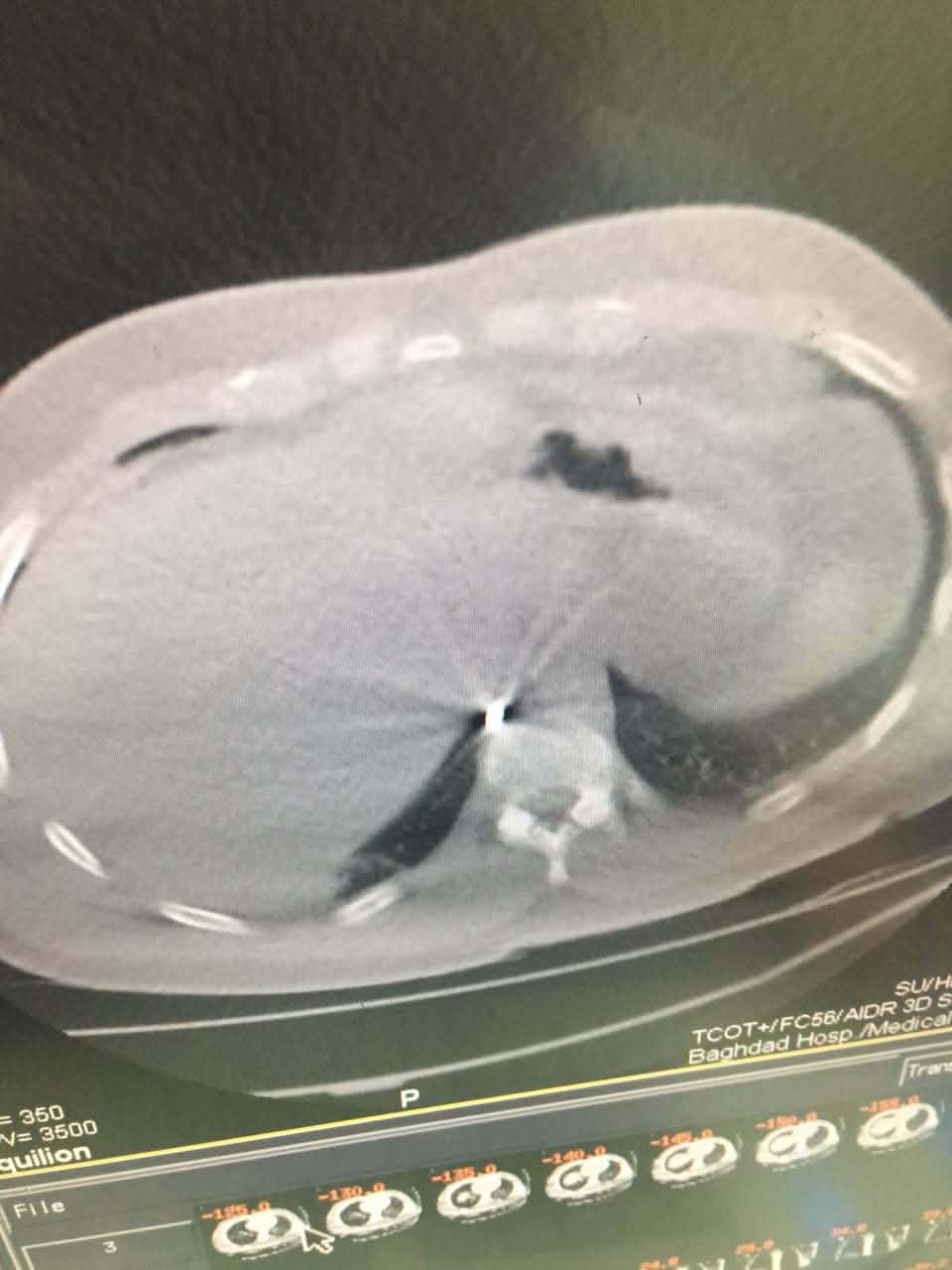
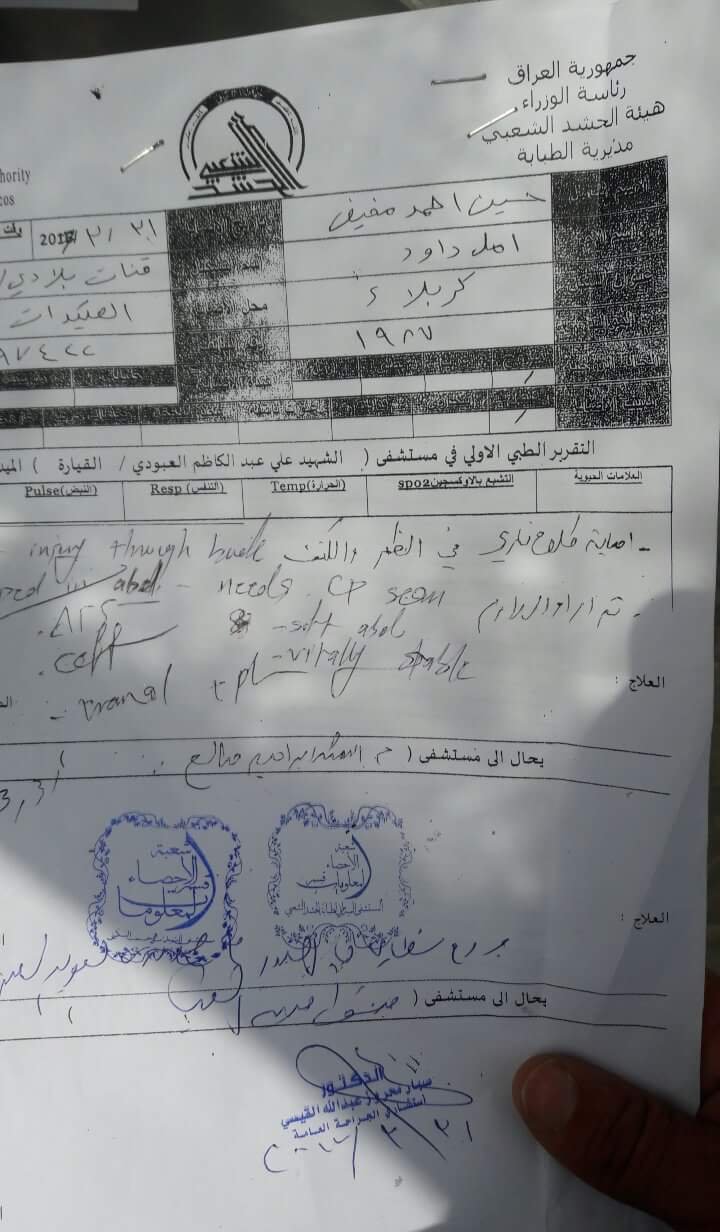
A Bullet Still Lodged in His Body… and Doors Remain Closed

Read more
Ali Rashid 03

Ali Rashid

65 percent disability

Read more
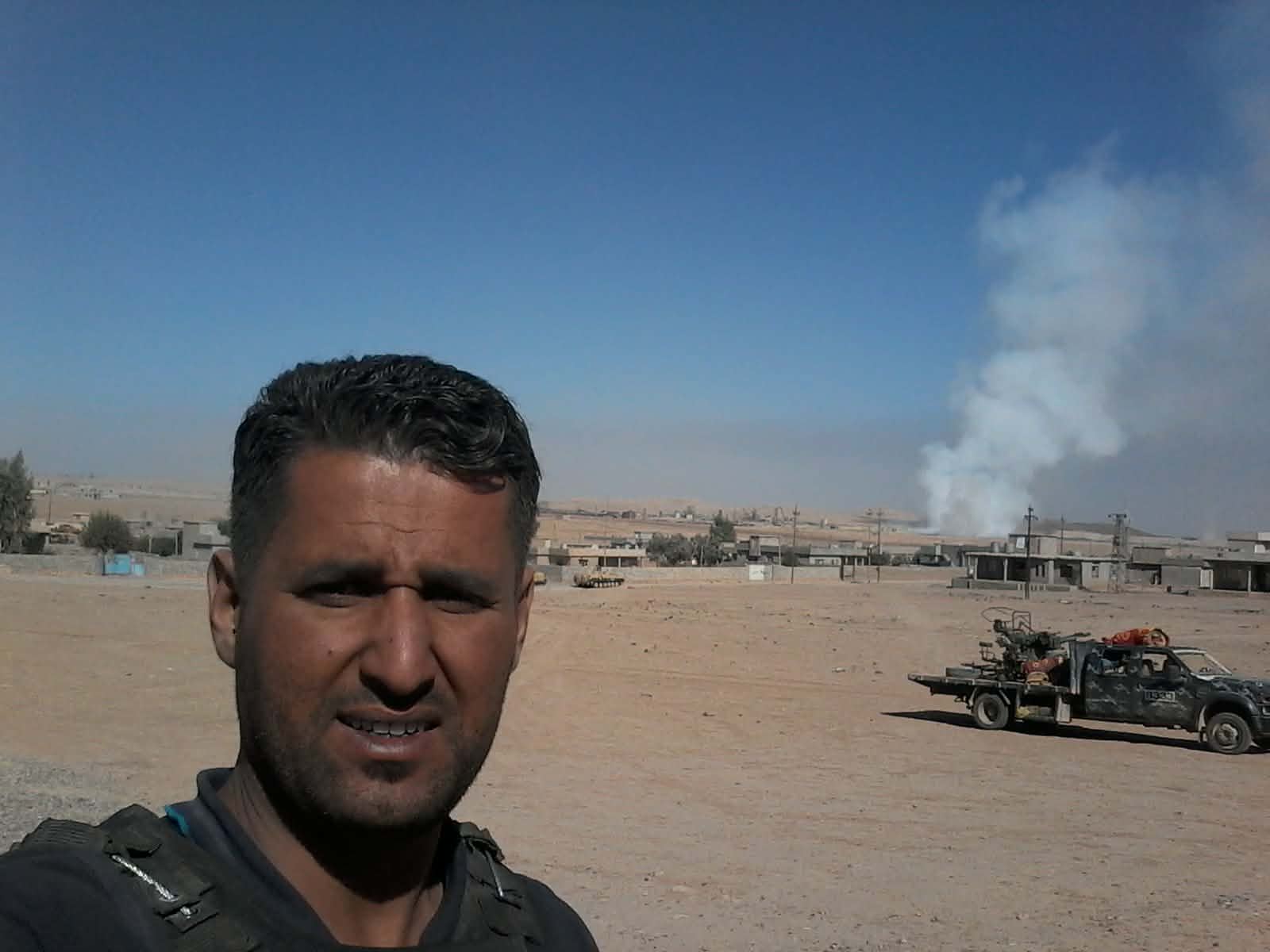
Ahmed Al-Badiri 04

Ahmed Al-Badiri

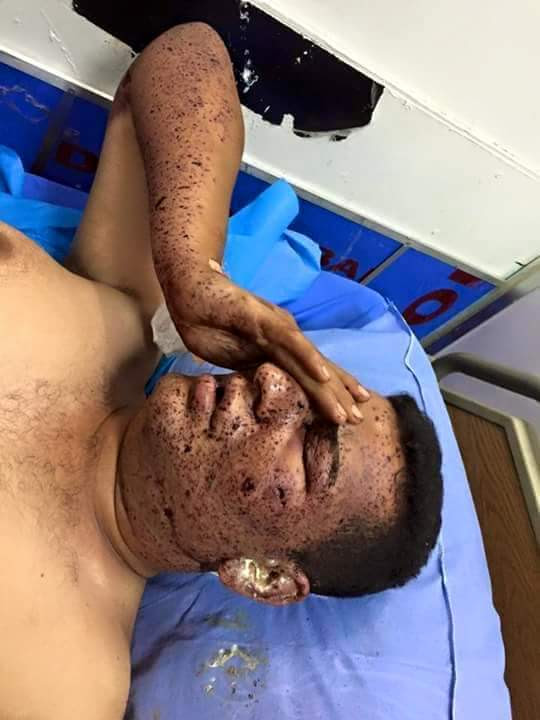
Five Injuries… Loss of an Eye and Lasting Memory Problems

Read more
Murtada al-Mousawi 05

Murtada al-Mousawi

Eight Operations… and Treatment Still Ongoing

Read more
Maytham Radif 06

Maytham Radif

A Severe Chest Injury… and Follow-Up Treatment That Stalled

Read more
Hussein al-Faris 07

Hussein al-Faris

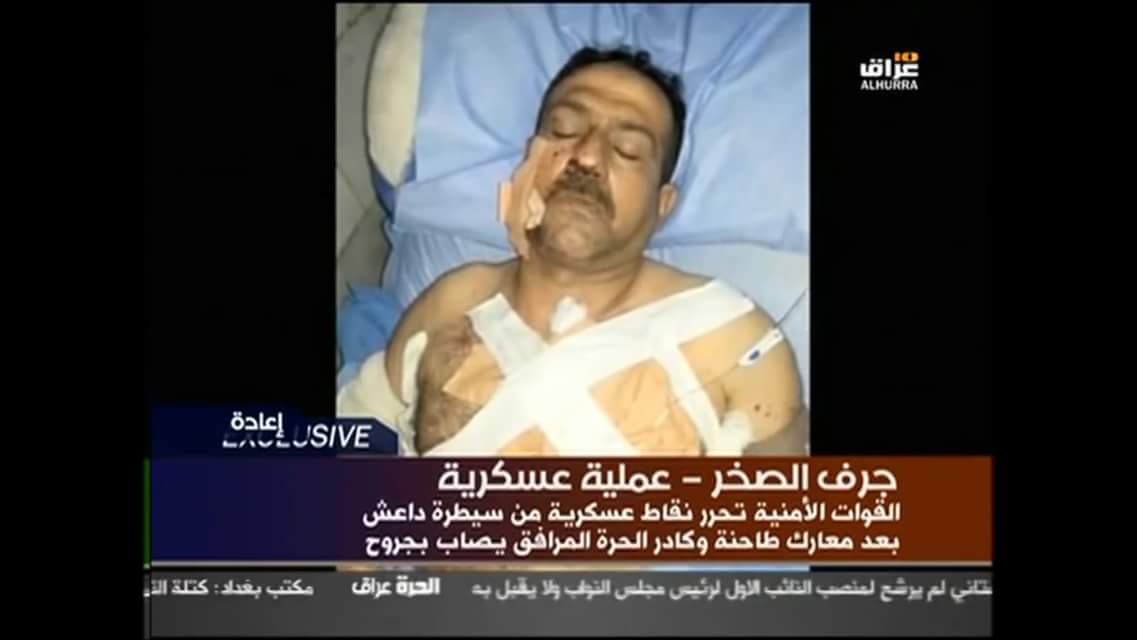
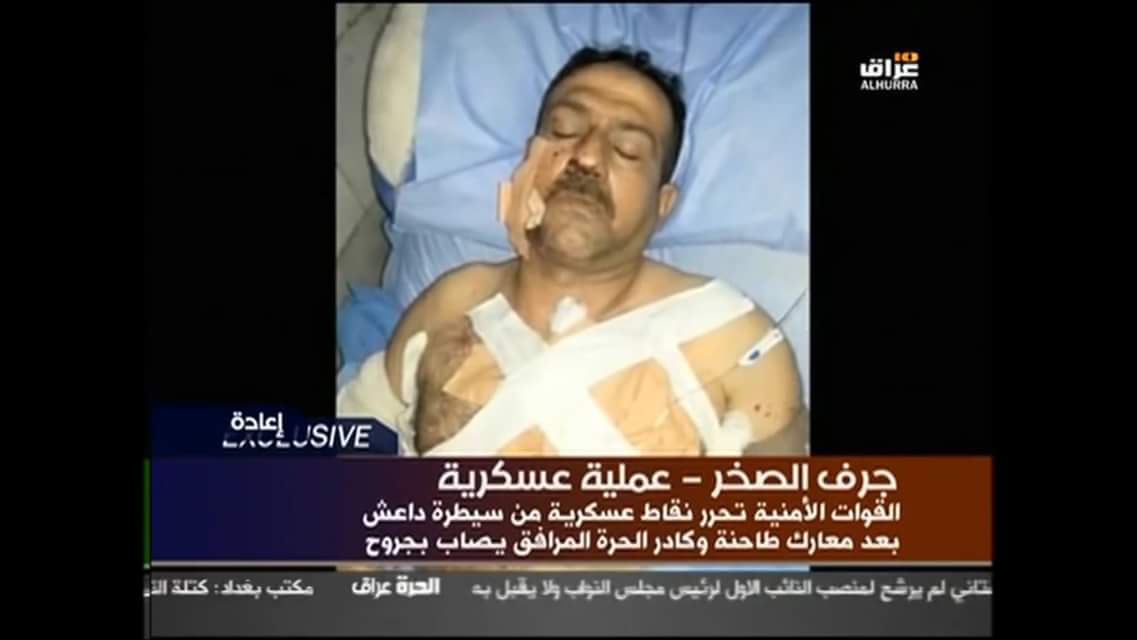
He Covered the Battles Until the End… Then Was Fired by Text Message

Read more


Gaps in the Contracting Process

One of the problems identified by the investigation arises before journalists even reach the battlefield. Article 13 of the Iraqi Journalists’ Rights Act stipulates that media organizations must enter into employment contracts with journalists, in accordance with a template drawn up by the Journalists’ Syndicate. The Act also stipulates that media organizations must deposit a copy of the contract with the Syndicate.

However, Ibrahim al-Sarraj, head of the “Iraqi Journalists' Rights' Defense Association”, describes the text as “still just ink on paper”. He estimates that around 80 percent of people working in the media sector are employed without formal contracts. This figure is an estimate issued by the association and is not a comprehensive government statistic.

The testimonies of the injured journalists covered by the investigation corroborate this. The majority of these documented cases worked without contracts that covered the period of injury. However, the existence of a contract does not necessarily mean that adequate protection is in place.

The investigative reporter reviewed four media employment contract templates and shared them with legal experts to examine the guarantees they provide to journalists, particularly with regard to workplace injuries, insurance, financial benefits, and dispute resolution.

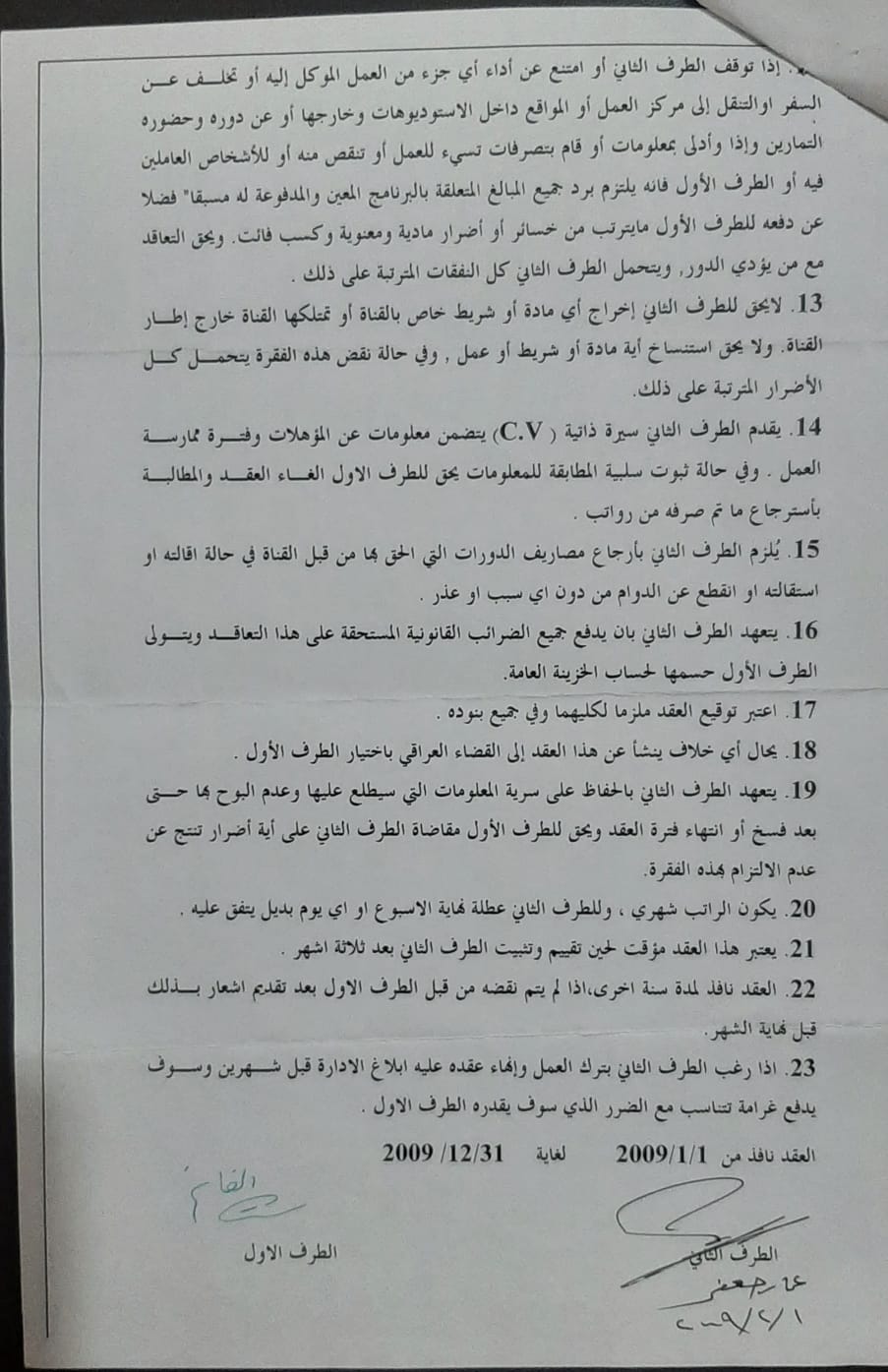
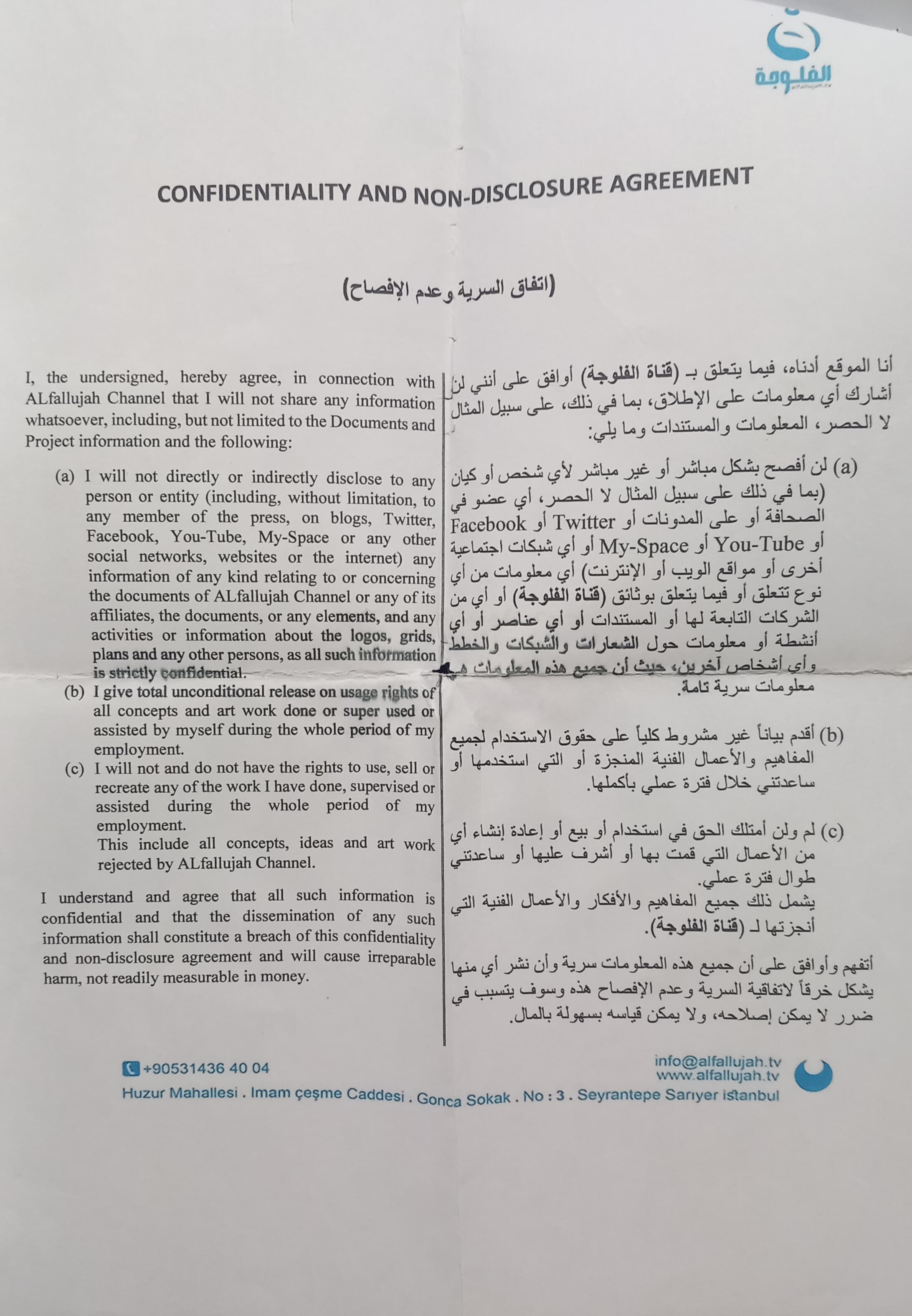
Lawyer Mohammed Al-Rubaie, Chairman of the ‘Al-Nahrain Foundation for Transparency’, identified varying degrees of shortcomings in the sample documents he reviewed. These included the failure to deposit or certify them with the Journalists' Syndicate in accordance with the approved standard; the inclusion of a confidentiality clause in some documents; and the absence of clear dispute resolution and compensation mechanisms for work-related injuries, as well as healthcare and social security coverage, in a number of them.

Al-Rubaie also noted that some contracts did not clearly grant all the entitlements stipulated in the Iraqi Labour Law No. 37 of 2015, including end-of-service benefits.

Karawan Majid, a lawyer who specializes in press-related cases, examined the same forms from a different angle: what does the document provide for the organization, and what does it guarantee the journalist in terms of pay, injury, termination of employment, or dispute?

The investigation reveals the key findings of his review of each form.

Contracts Under Scrutiny

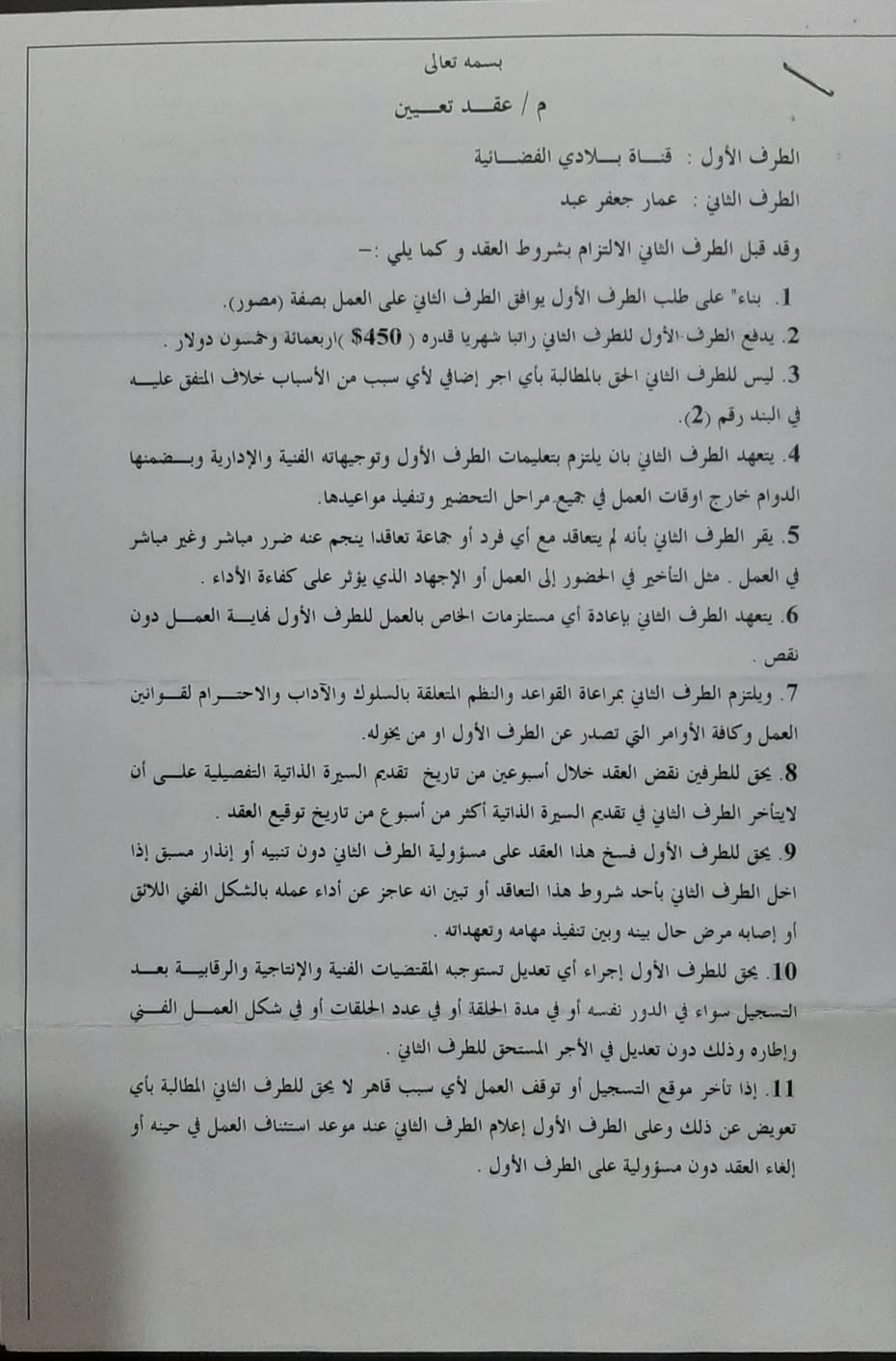
01

‘Biladi’ TV channel

Work-related injuries
No clear guarantee of compensation
Health insurance and social security
Limited protection, according to the lawyer’s interpretation
Contract termination
Employer retains broad powers
Overtime
Insufficient guarantees

Contract analysis: Majid believes that the balance of rights and obligations clearly favors the organization, particularly regarding the employer’s powers to terminate the employment relationship and alter the nature of the work. Meanwhile, the journalist’s entitlements in the event of injury and insurance coverage are weak.

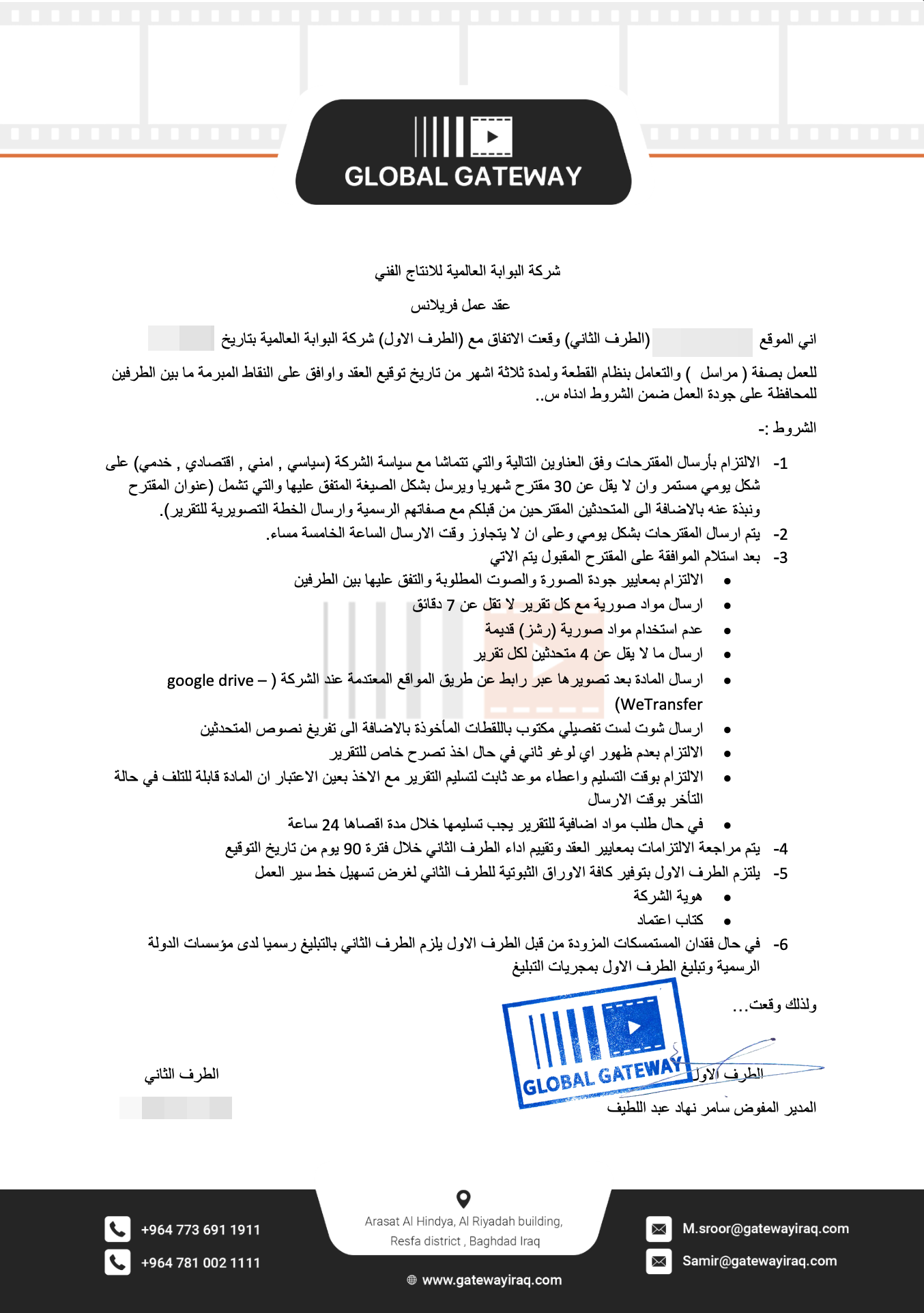
02

“Global Gateway” Art Production

Duties of the correspondent
Specified in detail
Remuneration
Not clearly or sufficiently defined
Field expenses
No clear provisions
Injury compensation
No clear provision
Dispute resolution
Not specified

Contract analysis: The document focuses on the journalist’s obligations, the number of reports and deadlines, without providing sufficient detail regarding what the organization is obliged to provide.

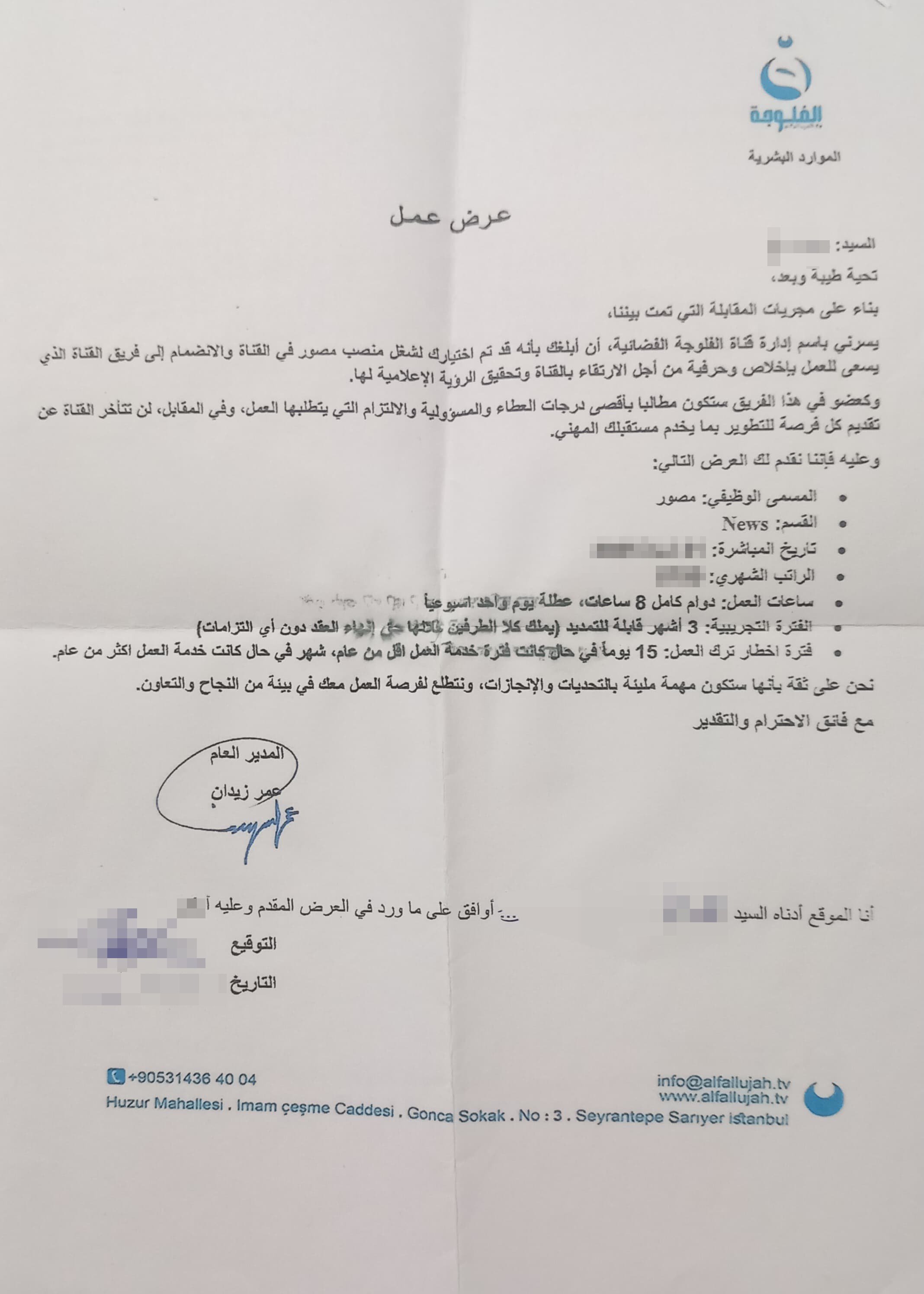
03

Al-Fallujah TV Channel

Available Documents
Job offer and confidentiality agreement
The organisation’s rights
Clear and detailed
The journalist’s rights
Limited
Work-related injuries
No clear guarantees

Analysis of both documents: Majid believes that, taken on their own, they do not constitute a comprehensive employment contract as defined by Iraqi labour legislation, as they place greater emphasis on protecting the establishment, its information and its rights.

04

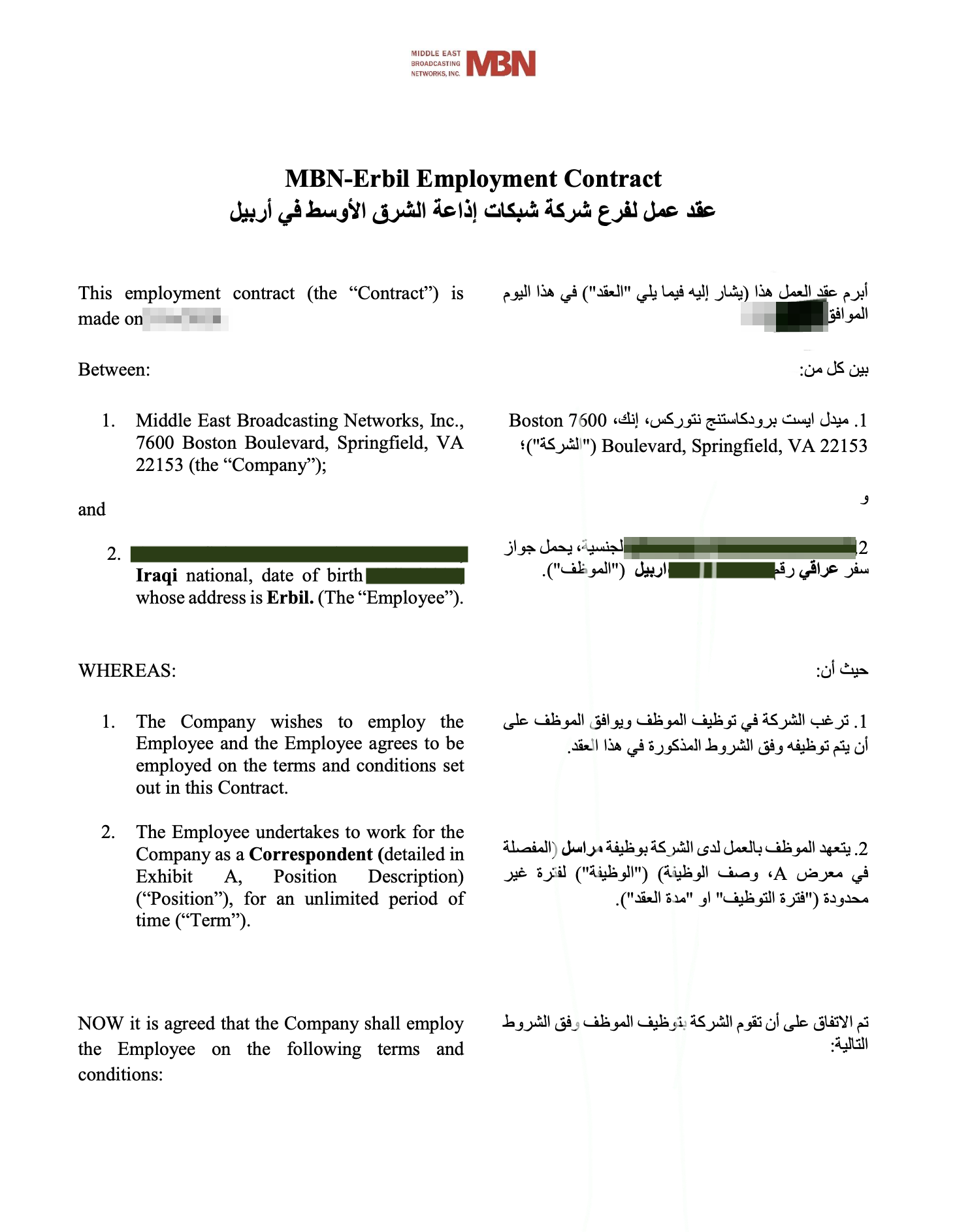
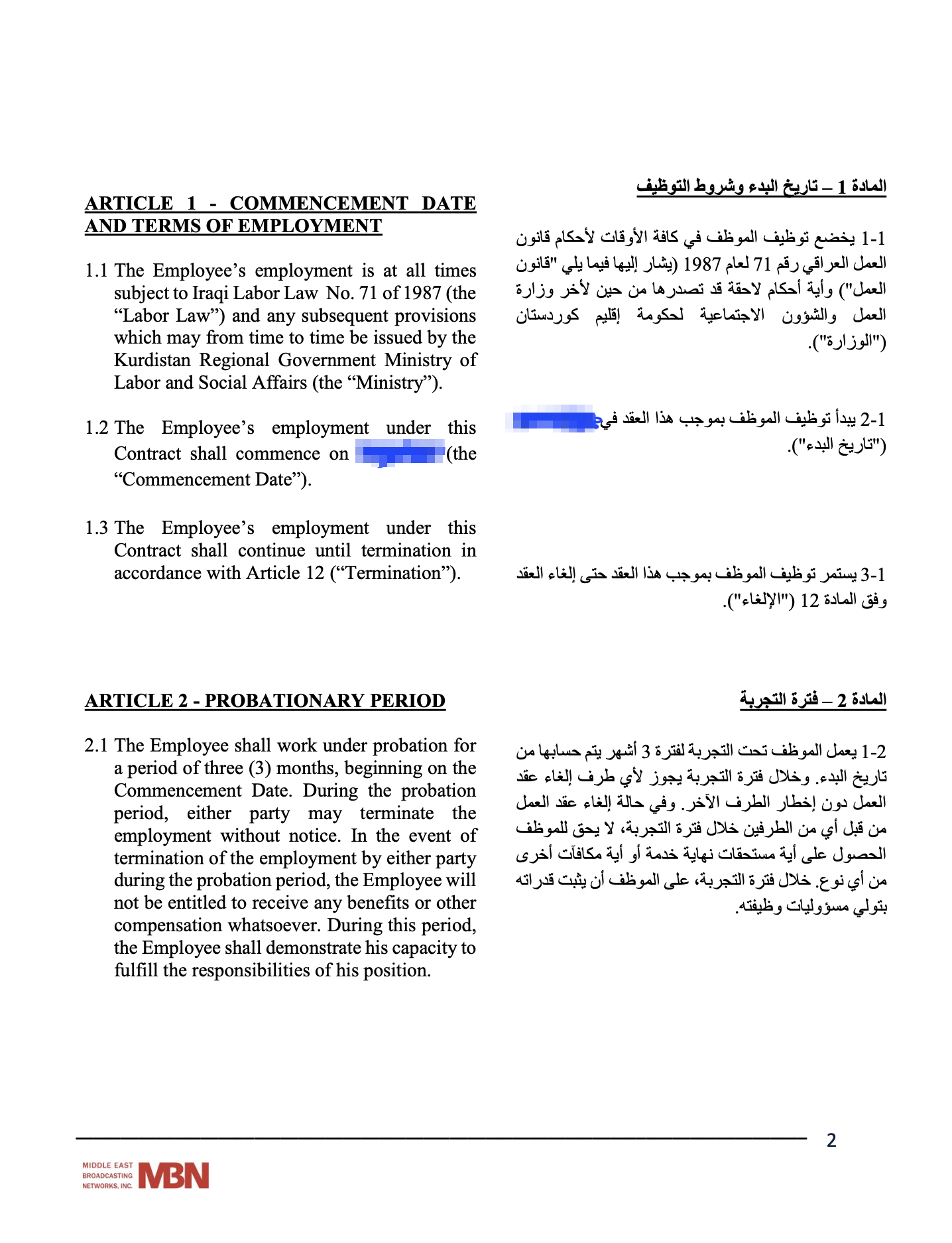
Al-Hurra Iraq Channel – MBN Network

Pay and leave
Stipulated in the contract
Basic safeguards
Provides a minimum set of rights compared to other forms
Insurance and guarantees
Includes basic safeguards for the worker
Legal framework
Does not explicitly refer to the Journalists’ Labor Law in the Kurdistan Region, even though the place of work was in Erbil

Analysis of both documents: Majid considers this contract to be the closest to a standard contract among those he reviewed. Nonetheless, he notes that the legal framework governing the employment relationship is not explicitly specified, despite the work being carried out within the Kurdistan Region

These findings reflect lawyer Karawan Majid’s assessment of the documents we presented to him and do not constitute a legal opinion on their validity.

However, as the investigation documented, the problem is not limited to the terms and conditions set out in the contracts.

Journalists who spoke to the investigative reporter described how some organizations ask them to sign copies of the contracts and return them, but do not provide them with a copy that has been signed by the organization itself. This can make it difficult for journalists to prove the existence of a contractual relationship should a dispute arise regarding pay, termination or injury.

Having reviewed sample employment contracts for journalists and media professionals, legal expert Ali Al-Tamimi believes that certain practices border on the concept of ‘contracts of submission’, as the institution has sole discretion over the terms and penalty clauses, leaving little room for negotiation.

Al-Tamimi believes that this is linked to the scarcity of job opportunities and high unemployment rates within the media sector. In such circumstances, journalists are forced to either accept the terms on offer or risk losing their livelihood.

He also points out that some contracts include clauses preventing journalists from working for other media organizations for specific periods. Such clauses restrict their ability to seek alternative sources of income, at a time when the media outlets may not provide health or insurance coverage commensurate with the risks of the job.

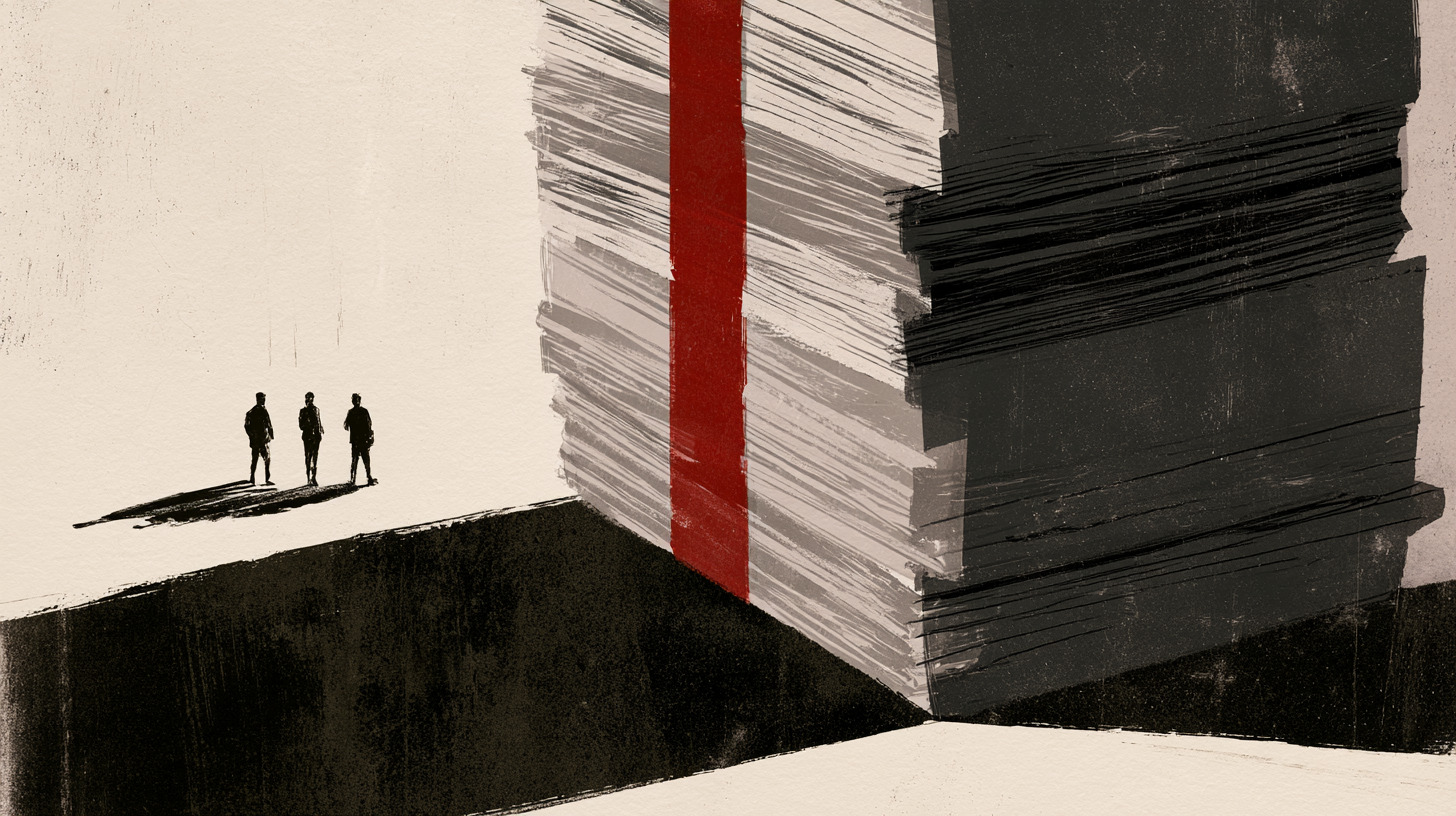
Image: Documented Injuries… Difficult Access to Benefits

The image was generated using AI

Documented Injuries… Difficult Access to Benefits

Article 11 of the Iraqi Journalists’ Rights Act stipulates that an injured journalist who is not a civil servant is entitled to a pension of 500,000 dinars (approximately $334), if they are found to have a disability of at least 50 percent. Those with a degree of disability of 30 percent or more are entitled to 250,000 dinars. However, cases investigated in this report show that accessing this entitlement involves medical reviews and committees, as well as procedures to prove the degree of disability and the nature of the injury. Mustafa al-Wahadi’s case illustrates this gap.

His medical reports confirm a disability rate of 50 percent. This is the threshold at which, by law, a person covered by the provisions is entitled to a pension. Nevertheless, he says he continues to approach government bodies seeking compensation nine years after his injury.

Ministry of Labor: Journalists Must Lodge a Complaint

The investigation has submitted questions to the Ministry of Labor and Social Affairs concerning the continued employment of journalists without proper contracts or social security coverage.

Najm al-Aqabi, head of the ministry’s media committee, said that the law guarantees the inclusion of journalists in the social security scheme. Journalists who have been harmed can lodge a formal complaint with the Ministry or take their case to the relevant labor court.

However, the ministry’s response also revealed that one of the monitoring mechanisms designed to detect violations within media institutions – before employees reach the stage of lodging a complaint – had been suspended.

Al-Aqabi stated that inspection committees used to conduct regular, sometimes daily, visits to institutions to monitor their compliance with labor and social security legislation. These efforts helped ensure that around 400,000 workers from various sectors were covered by the social security scheme. However, the Social Security Department suspended the work of these committees by official decree.

As a result, detecting many violations now depends more heavily on employees taking action themselves and filing complaints. This process is further complicated when a journalist works without a formal contract or does not possess a signed copy proving the nature of their relationship with the employer.

Image: Five Billion Dinars for Medical Treatment and Social Welfare

The image was generated using AI

Five Billion Dinars for Medical Treatment and Social Welfare

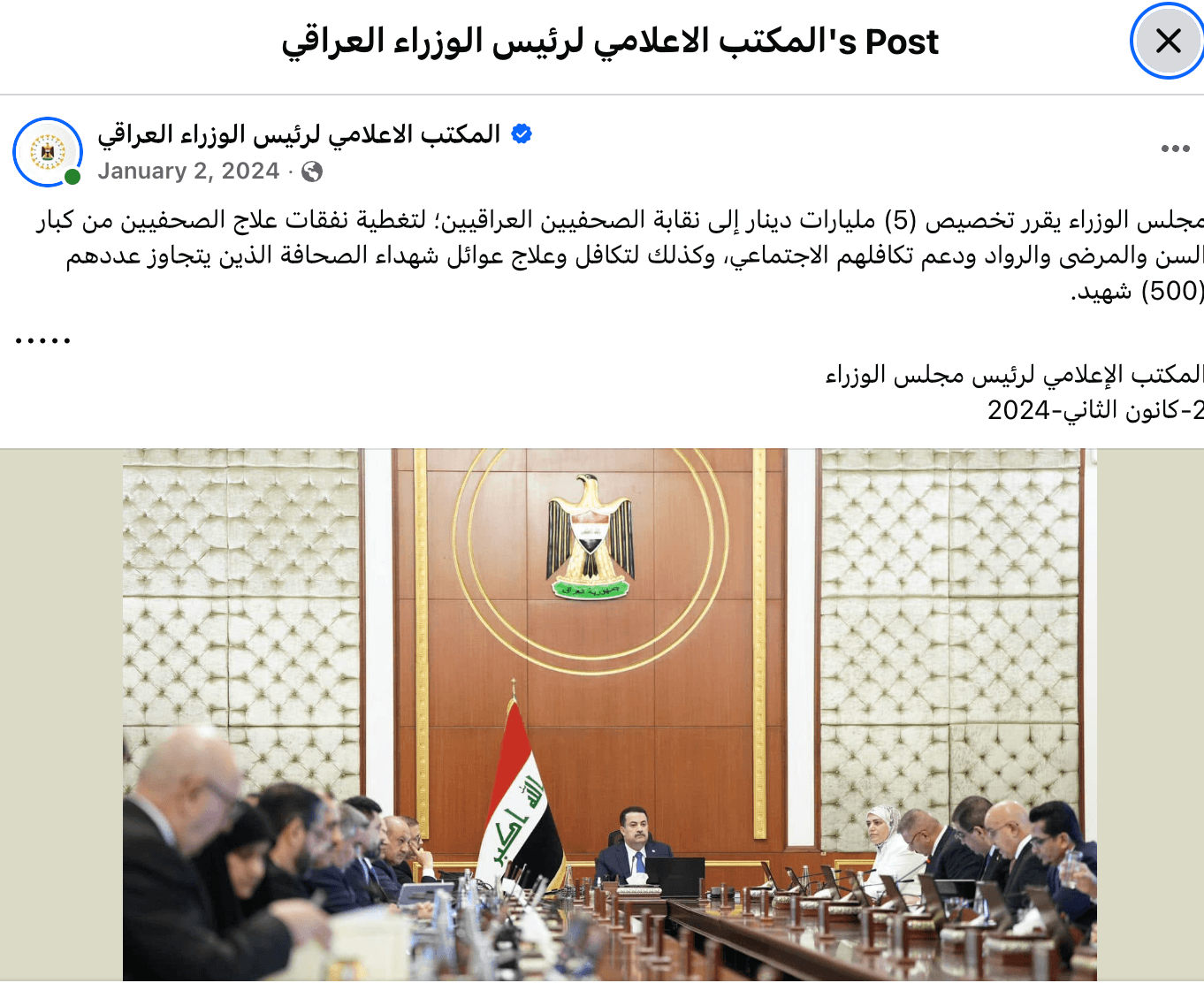
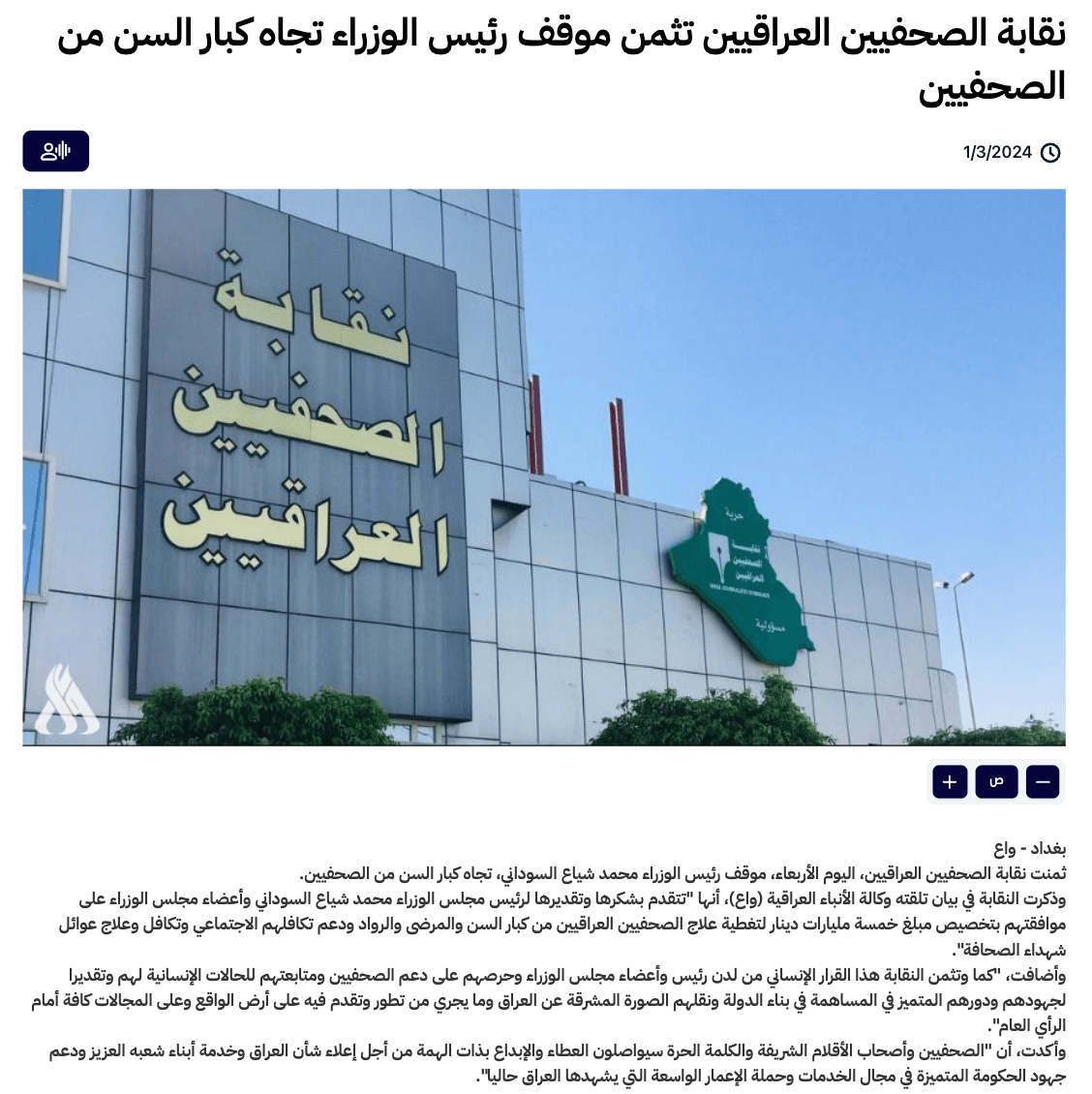
On 2 January 2024, the Iraqi Council of Ministers allocated five billion Iraqi dinars (approximately $3.7 million) to the Iraqi Journalists’ Syndicate. According to the announcement, the allocation covered medical expenses for elderly, sick and veteran journalists, as well as support for social welfare, in addition to medical care and aid for the families of the more than 500 press martyrs. The Syndicate welcomed the decision at the time.

However, journalists who were wounded and the families of those who were killed or have since died – who were included in this investigation – said that the Syndicate had not contacted them to inform them that they were eligible to receive these funds. Among them were the families of Harb Hazza in Salah al-Din and of photojournalist Omar Mohammed, who died from his injuries.

On 12 July 2026, the Syndicate published a list containing the names of 50 journalists who were eligible for financial assistance from the grant, inviting them to visit it.

We checked the list and did not find the names of any of the injured journalists whom we had interviewed while working on the investigation. However, the list included the names of journalists working for the Syndicate as well as former members of its board of directors.

0 5 billion dinars allocated by the Council of Ministers to the Journalists’ Syndicate for medical treatment and mutual aid
0 journalists named by the Syndicate as beneficiaries of the grant in July 2026
0 of the injured journalists interviewed for this investigation have their names on that list

The mere presence of these names is not sufficient to prove any wrongdoing in the disbursement of funds. We do not have the full details regarding the health status of all those included, nor do we know what criteria the syndicate used to select them.

Nevertheless, the absence of the names of injured journalists whose cases were documented in the investigation. The fact that they were not even aware of the grant’s existence raises questions about the mechanism for identifying beneficiaries, the selection criteria, and the process for reaching injured journalists and the families of those killed supposedly covered by the treatment and aid scheme.

A Medical Grant… Victims Left Out

After the investigative reporter informed several injured journalists of the grant’s existence, three of them approached the Journalists’ Syndicate, with copies of their medical records and documents relating to their injuries and ongoing health issues. They said the Syndicate asked them to compile a series of documents and assessments, along with up-to-date medical reports, to review their cases and decide their eligibility.

The process drew the three journalists back into the same government bureaucracy they had already spent years navigating as they sought to document their injuries and obtain their entitlements. Ultimately, they decided not to proceed with the application, they said.

Their experience raises a question about the mechanism for accessing this aid, beyond the mere existence of the funds: should injured journalists be responsible for learning about the grant and beginning a new process to document their condition, or should the entity administering the medical-treatment and aid funds have a mechanism for identifying known cases and assessing their needs?

We submitted questions to the Journalists’ Syndicate regarding the selection criteria for beneficiaries, the mechanism for identifying injured journalists and the families of those killed, and the reasons why the assistance was not extended to the cases documented by the investigation. We also asked about the Syndicate’s role in employment contracts and the protection of injured journalists.

The investigative reporter contacted three members of the syndicate’s board of directors. He sent his questions to the syndicate’s official email address and to members of the board. Despite repeated and documented promises to respond, no reply had been received from the syndicate by the time of publication.

Image: Divided Responsibilities, With the Burden Falling on Victims

The image was generated using AI

Divided Responsibilities, With the Burden Falling on Victims

The cases and documents examined by the investigation reveal a protection system that divides responsibilities among more than one body. Media organizations define the employment relationship and assign tasks to journalists, while the ‘Law on Journalists’ Rights’ requires the media to enter into contracts with journalists and grants specific entitlements to victims.

The Ministry of Labor is responsible for monitoring the implementation of labor and social security laws. However, its inspection committees, which used to visit organizations and monitor violations, have suspended their work.

The Journalists’ Syndicate, for its part, is legally empowered to regulate contracts and has received a government allocation of billions of dinars for medical treatment and aid.

Nevertheless, the cases documented by the investigation reveal an absence of a clear protection system for journalists. The gap begins with the absence of formal employment protections before journalists are sent into the field and extends to medical treatment and compensation after an injury.

Nine years ago, “Harb Hazza” and “Mustafa al-Wahadi” were part of the same media team covering the same battle. Harb’s assignment ended on the battlefield. According to his wife, his family are still living without the compensation she requested after he was killed while performing his journalistic duties.

Meanwhile, Mustafa survived, but with shrapnel in his body and a documented 50 percent disability. Following his injury, the channel stopped paying his salary, before terminating his employment. To this day, he continues to approach government bodies in search of benefits to which he is entitled but has not yet received.

The experiences of the slain reporter and his injured colleague highlight a series of failings uncovered by the investigation: a precarious working relationship; incomplete medical care; difficult-to-access legal entitlements; waning government oversight; and funds for medical treatment and aid, which some of the injured—whose cases were documented by the investigation—were unaware even existed.

The battle they had been covering ended years ago, but its toll is still being felt by a family who lost their breadwinner and a journalist who is still bearing the consequences of his injuries. The cases documented by the investigation reveal an absence of clear institutional pathways to protect journalists from the moment they are assigned a task, and to provide support in the event of injury or after death.

Media Organizations Respond

The investigative reporter contacted all the media organizations mentioned in the investigation, either through their official contact information or through management representatives. Detailed questions regarding the testimony and facts attributed to them were sent to each organization giving them an opportunity to respond.

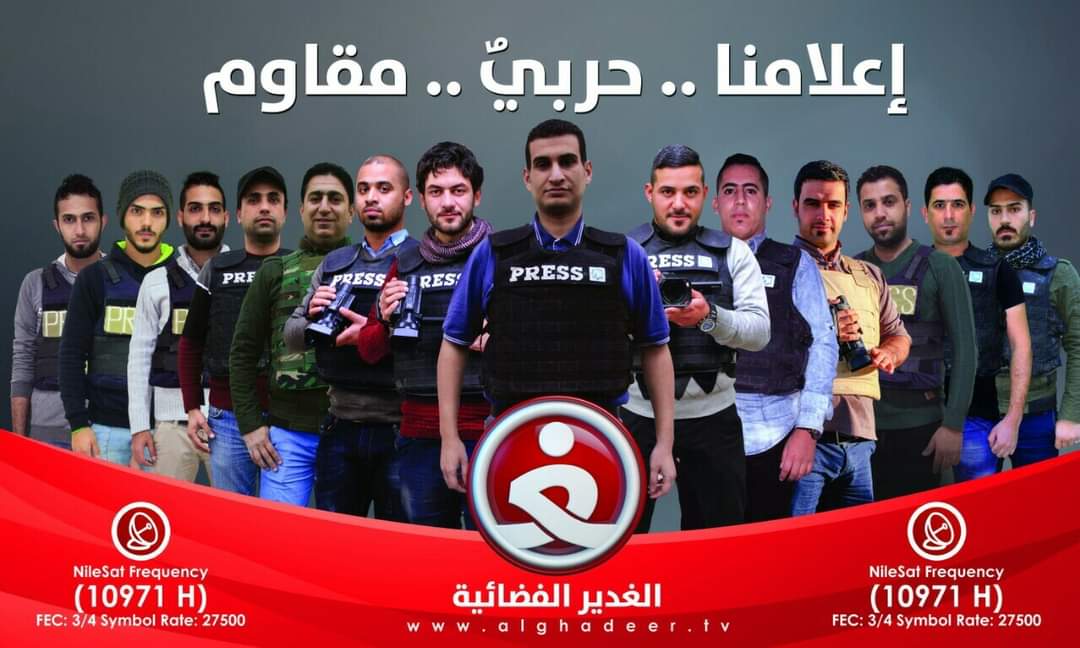
As of the date of publication of this investigation, the only responses we received were from Al-Hurra TV regarding the photographer Maytham Radif, and Al-Ghadir TV, regarding the cases of Ahmed Al-Badiri and Murtada Al-Mousawi.

This investigation was carried out with the support of ARIJ and in partnership with ‘Aaber’


This investigation was published in Arabic on the following: